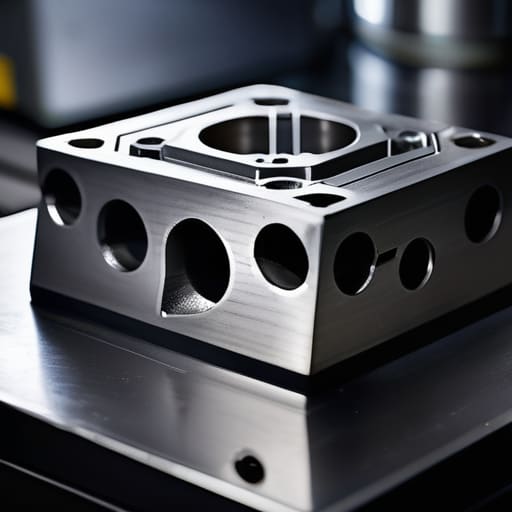
I once sat in a humid, cramped meeting room in Shenzhen, watching a supplier’s sales rep point proudly to a quote that looked like a miracle on paper. He was selling a dream of massive scale, but I could see the truth in the tooling specs: they had doubled the cavity count to drive down the cost, yet they hadn’t accounted for the cooling time or the sheer complexity of the runner system. This is the fundamental misunderstanding of how cavity count affects unit price; people treat it like a simple math equation where more cavities equals less money, when in reality, it’s often just a way to hide technical debt in your initial quote.
I’m not here to give you a textbook definition or a theoretical lecture on injection molding. I’m going to show you how to look past the spreadsheet and see the actual risk profile of your tooling. We are going to dissect why a high cavity count can actually drive your landed cost up through higher scrap rates and longer cycle times, and I’ll teach you exactly which questions to ask a manufacturer to ensure that “saving” isn’t just a claim waiting to be disproven by a failed quality audit.
Table of Contents
Tooling Investment vs Unit Cost the Hidden Upfront Toll
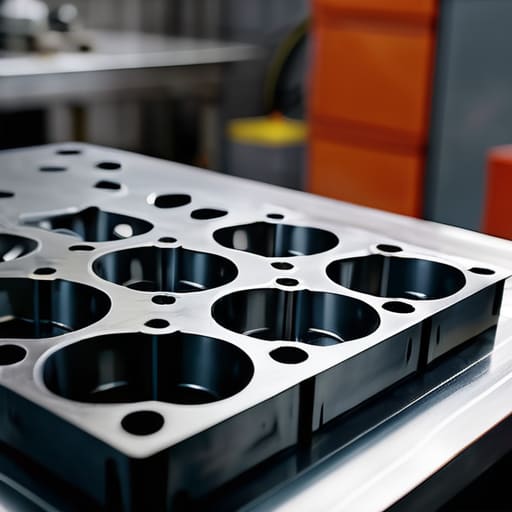
When you’re sitting across from a supplier, they’ll try to sell you on the magic of a high-cavity mold by pointing at the plummeting piece price. It looks great on a spreadsheet, but they’re rarely talking about the massive capital outlay required to get there. This is the classic tooling investment vs unit cost tug-of-war. A four-cavity mold is significantly cheaper to build than a sixteen-cavity monster, but that upfront sting is the price you pay for agility. If your projected volume is lower than the supplier’s “optimistic” forecast, you aren’t actually scaling; you’re just overpaying for steel that will sit idle in a warehouse.
The math only works if you understand the mechanics of amortizing mold costs against your actual run rate. I’ve seen too many procurement teams chase the lowest possible piece price, only to realize mid-production that they’ve spent three times more on the initial tooling than they would have on a simpler, single-cavity setup. You have to look past the immediate quote and perform a real injection molding cost analysis that accounts for your risk tolerance. If your demand fluctuates, a high-cavity mold isn’t an asset; it’s a rigid, expensive liability.
Molding Cycle Time Optimization Where the Real Math Lives
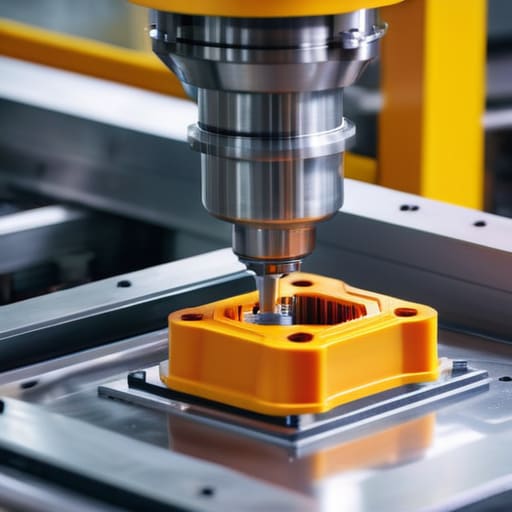
When you’re looking at a quote, most people focus on the capital outlay for the mold. They forget that the machine’s time is the most expensive commodity in the factory. This is where molding cycle time optimization becomes the deciding factor between a profitable run and a logistical nightmare. A high-cavity mold might look like a win on paper, but if that extra complexity forces the operator to extend the cooling phase by just three seconds to ensure part stability, you’ve just nuked your efficiency. In my experience, those three seconds compound over a hundred thousand units until your “cheap” part has actually cost you a premium in machine hours.
You have to look past the sticker price and perform a proper injection molding cost analysis that accounts for throughput. If a supplier pushes a multi-cavity tool to hit your target price, ask them exactly how that impacts the cycle time. If they can’t give you a precise number, they’re guessing. I’ve seen too many procurement teams get excited about the economies of scale in manufacturing only to realize they’ve signed up for a production schedule that the factory’s capacity simply cannot support without massive overtime costs.
Five Ways the Cavity Count Math Will Try to Cheat You
- Don’t mistake a lower unit price for a lower total cost if the tooling bill looks like a mortgage payment; if your volume doesn’t justify that massive upfront mold expense, you’re just burning cash before the first part even drops.
- Watch out for the “scrap multiplier”—when a supplier squeezes too many cavities into a single mold to drive down your price, one bad shot or a single cooling issue can ruin the entire batch, turning your “savings” into a pile of expensive waste.
- Question the machine capacity; a supplier might promise you a low price based on a high-cavity mold, but if they haven’t actually booked the press time to run it, you’re going to see those lead times slip the moment their more profitable clients walk in the door.
- Demand to see the cycle time data for the specific cavity count they are quoting; if they claim a high-cavity mold will slash your unit price but can’t prove the cycle time remains stable, they are likely hiding a massive defect rate in their projections.
- Factor in the rework tax; high-cavity molds are notoriously harder to tune, so if a supplier is pushing for a high count to hit a target price, I’ll be looking closely at whether they’ve budgeted for the inevitable quality inspections and manual corrections required to make those parts usable.
The Bottom Line: Don't Let a Low Quote Mask a Bad Strategy
A low unit price is often just a claim; if a supplier drops the price by doubling the cavity count, they are shifting the risk to you via higher tooling costs and a much higher threshold for the volume you actually need to break even.
Watch the cycle time, not just the cavity count; adding more cavities is a waste of capital if the cooling time or part ejection isn’t optimized, as you’ll end up paying for a complex mold that still can’t meet your required output.
Always calculate your true landed cost by factoring in the “rework tax”—high-cavity molds are notoriously harder to maintain, and if your quality inspector finds a defect pattern across eight cavities instead of two, your “savings” will vanish in scrap and downtime.
The Bottom Line: Beyond the Quote
At the end of the day, choosing your cavity count is a balancing act between upfront capital and long-term operational efficiency. You can’t just look at the unit price on a spreadsheet and call it a day; you have to account for the increased tooling cost, the potential for higher scrap rates if the mold isn’t balanced, and the reality that a multi-cavity tool is harder to repair when something goes wrong. If you chase a low unit price by squeezing too many cavities into a single mold without checking the cooling lines or the gate design, you aren’t saving money—you are simply deferring a massive headache to your production manager. Always demand to see the projected cycle times and the estimated scrap rates before you sign off on that tooling invoice.
Sourcing isn’t about finding the cheapest way to make a part; it’s about finding the most predictable way to deliver it. I have seen too many procurement teams get high-fived for hitting a target unit price, only to spend the next six months fighting a supplier over quality inconsistencies and missed shipments. Don’t let an optimistic quote blind you to the technical realities of the shop floor. Trust the math, verify the tooling specs, and remember that in this business, the cheapest part is often the most expensive one once you factor in the cost of failure.