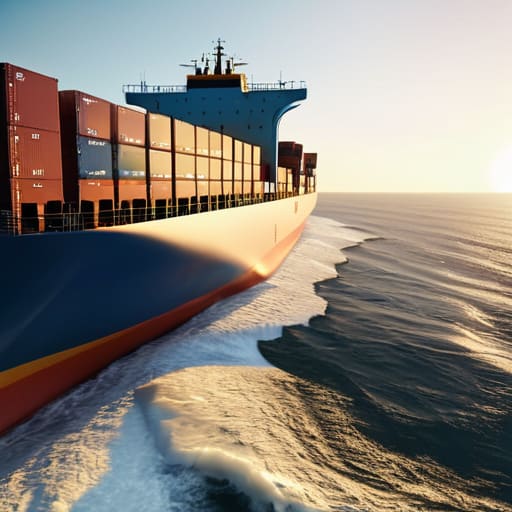
I once sat in a humid, windowless office in Ningbo, staring at a spreadsheet that promised a seamless logistics chain, only to watch three containers of defective components sit rotting on a pier because of a “minor” documentation error. Most people searching for a complete guide to sea freight are looking for a magic formula to slash costs, but they’re usually just reading a sanitized version of reality written by people who have never had to explain a six-week delay to a frustrated CEO. If your guide focuses solely on container types and vessel speeds without mentioning the chaos of port congestion or the predatory nature of demurrage fees, it isn’t a guide—it’s a fairy tale.
I’m not here to give you a textbook definition of TEUs or a list of industry jargon you can skim over. Instead, I am going to give you the version of this information that actually matters when your margins are on the line. We are going to strip away the optimistic timelines and look at the real mechanics of ocean logistics, from calculating true landed costs to spotting the red flags in a freight forwarder’s quote. This is about building a supply chain that survives contact with the real world.
Table of Contents
Decoding Ocean Freight Cost Factors and Hidden Surcharges
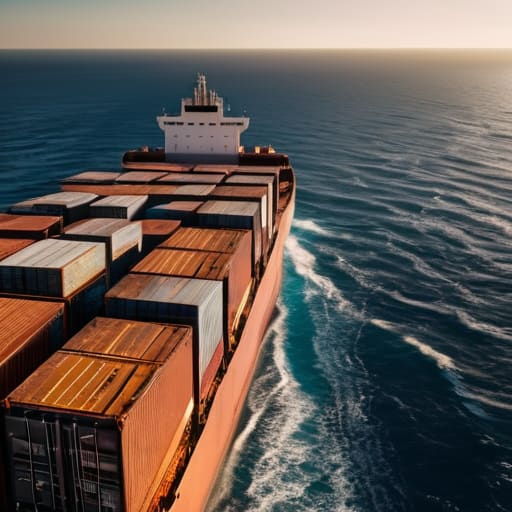
When a freight forwarder sends you a quote, they aren’t giving you the final price; they are giving you a starting point for a negotiation you didn’t know you were having. Most people look at the base rate and think they’ve found a winner, but they fail to account for the granular ocean freight cost factors that actually eat the margin. You need to look past the ocean freight itself and start asking about bunker adjustment factors, peak season surcharges, and terminal handling charges. If your quote doesn’t explicitly list these, it isn’t a quote—it’s a placeholder.
The math gets even more complicated when you weigh the pros and cons of FCL vs LCL shipping explained in your specific context. If you opt for Less than Container Load to save on upfront costs, you are essentially inviting a dozen other shippers’ mistakes into your supply chain. One person’s poorly packed pallet can lead to contamination or damage that becomes your problem during deconsolidation. I’ve seen too many procurement managers try to optimize for unit cost only to realize they’ve traded a shipping saving for a massive rework and inspection bill once the goods hit the warehouse floor.
Fcl vs Lcl Shipping Explained Choosing Your Risk Level
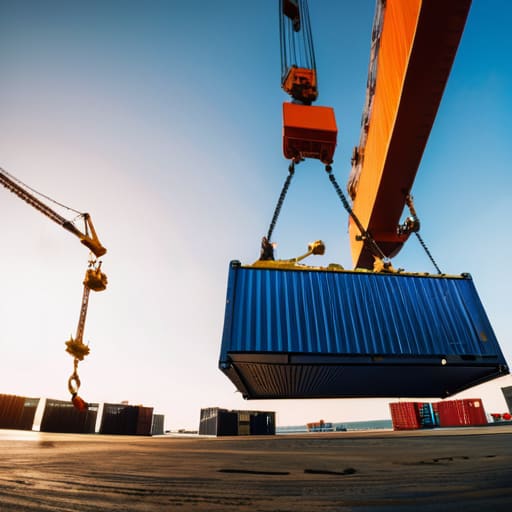
When you’re looking at FCL vs LCL shipping explained in a textbook, it looks like a simple math problem: volume versus cost. In reality, it’s a calculation of how much risk you are willing to delegate to a stranger. Full Container Load (FCL) is my default when the margin for error is slim. You have the seal, you have the dedicated space, and you aren’t praying that the other fifteen shippers in that consolidated box didn’t mislabel their pallets. It is cleaner, faster, and significantly harder for a freight forwarder to blame “handling errors” for a delay.
LCL (Less than Container Load) is where the “hidden” part of the ocean freight shipping process truly lives. Yes, the upfront cost looks attractive for smaller volumes, but you are essentially paying for the privilege of sharing your cargo’s fate with everyone else’s. If one shipper in the mix has a documentation error or a customs hold, your goods sit in a warehouse gathering dust and demurrage fees while the container is de-consolidated. I’ve seen too many junior buyers chase the LCL savings only to find that the extra handling fees and the inevitable transit delays wiped out any perceived benefit.
Five Hard-Won Rules for Navigating Sea Freight Without Getting Burned
- Demand a breakdown of the ‘All-In’ rate. If a forwarder gives you a single, flat number without explicitly detailing the bunker adjustment factor (BAF) or low sulfur surcharges, they aren’t being efficient—they are hiding volatility. You need to know exactly which levers will move when fuel prices spike so you aren’t blindsided by a mid-transit invoice.
- Treat your ‘Estimated Time of Arrival’ as a polite suggestion, not a commitment. I’ve seen shipments promised in 30 days that took 55 because no one accounted for transshipment bottlenecks or seasonal port congestion. Always build a buffer into your production schedule that is larger than your supplier’s optimism; if they say it’s ‘easy,’ add two weeks.
- Never book LCL (Less than Container Load) without a strict inspection protocol at the consolidation warehouse. When you share a container, you are sharing your risk with every other shipper in that box. If a neighbor’s cargo leaks or smells, your goods are compromised before they even hit the water. If the margin allows, pay the premium for an FCL (Full Container Load) to keep your inventory isolated.
- Audit your Incoterms like your budget depends on it—because it does. I have seen too many junior buyers assume ‘FOB’ means they are in control, only to realize they haven’t accounted for the local handling charges at the origin port that the supplier is now passing back to them. Know exactly where your liability transfers and, more importantly, where your costs stop being predictable.
- Verify the ‘Last Mile’ before the ship even leaves the quay. A low ocean freight quote is useless if your local drayage provider doesn’t have the capacity to move the container out of the terminal once it lands. If you don’t have a contingency plan for demurrage and detention fees, you aren’t managing a supply chain; you’re just waiting to pay penalties.
The Three Rules of Survival in Ocean Freight
Stop looking at the ocean freight rate in isolation; if your quote doesn’t explicitly account for port congestion surcharges, fuel adjustments, and the inevitable demurrage fees, you aren’t looking at a price—you’re looking at a placeholder for a future bill.
Choose your container type based on your tolerance for chaos, not just your volume; LCL might look cheaper on paper, but you are essentially paying for the privilege of someone else’s cargo potentially delaying your entire production schedule during consolidation.
A “delivered” price is a myth until you’ve calculated the true landed cost, which means factoring in the duty, the terminal handling charges, and the buffer for the rework you’ll inevitably have to do when the shipment arrives with the quality issues you saw coming months ago.
Beyond the Spreadsheet
At the end of the day, navigating sea freight isn’t about finding the lowest number on a quote; it’s about managing the gap between what a freight forwarder promises and what the ocean actually delivers. You’ve looked at the breakdown of surcharges, the volatility of fuel adjustments, and the massive risk delta between FCL and LCL. If you walk away from this guide understanding that a “low” price is often just a placeholder for unaccounted-for expenses like demurrage or port congestion, you are already ahead of half the procurement teams I’ve worked with. Remember, a shipping quote is a snapshot in time, but your landed cost is the only metric that actually determines your margin.
Sourcing and logistics will always be a game of variables, and no amount of planning can completely eliminate the chaos of global trade. However, there is a profound difference between being caught off guard and being prepared for the inevitable. Don’t aim for a perfect, risk-free supply chain—that doesn’t exist. Instead, aim for a resilient one. Build your buffers, verify your documentation, and always ask for the evidence behind the estimate. When you stop chasing the cheapest possible transit and start investing in predictable outcomes, you stop being a victim of the market and start actually managing it.