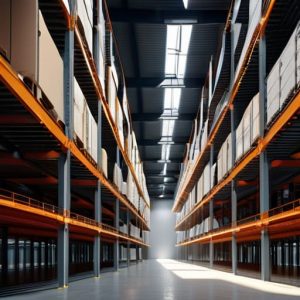
I once sat in a humid warehouse in Ningbo, staring at a pile of “consolidated” goods that looked less like a professional shipment and more like a game of Tetris played by someone who had never seen a pallet in their life. That was my introduction to the messy reality of how LCL shipping works. Most people think Less than Container Load is a simple way to split costs, but they rarely account for the hidden friction—the extra touches, the terminal handling fees, and the fact that your precious cargo is now sitting in a container with three other companies’ junk, praying nobody’s leaking drum ruins your inventory.
I’m not here to give you a textbook definition or a sanitized logistics lecture. Instead, I’m going to pull back the curtain on what actually happens when your goods leave the factory floor and enter the LCL ecosystem. We are going to look at the predictable delays that freight forwarders won’t mention, how to calculate a landed cost that actually reflects reality, and how to spot the red flags in a quote before they turn into a budget crisis. If you want the sanitized version, go read a manual; if you want to protect your margins, read this.
Table of Contents
The Ocean Freight Consolidation Process and Its Hidden Friction
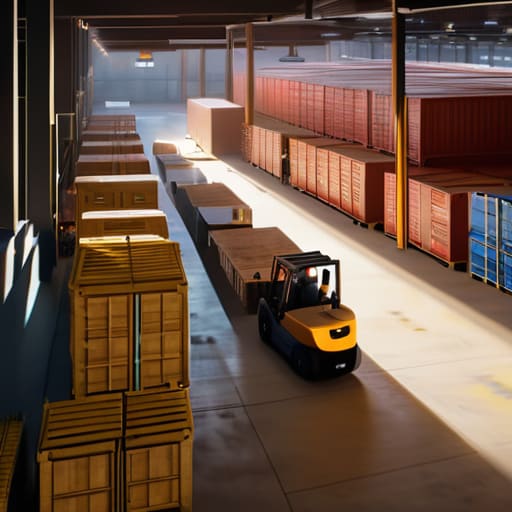
The ocean freight consolidation process sounds seamless on a spreadsheet, but in practice, it’s a series of hand-offs where things tend to get lost. When you opt for LCL, your goods aren’t traveling solo; they are being packed into a container alongside dozens of other shippers’ cargo at a Container Freight Station (CFS). This is where the “friction” lives. Unlike FCL, where you seal the door and don’t touch it until it hits your warehouse, LCL requires a stop-and-start rhythm. Your pallets are unloaded, sorted, and reloaded. Every time a forklift operator moves your crate to make room for someone else’s, you’re introducing a variable that no one—not even your most optimistic freight forwarder—can fully control.
This constant maneuvering is exactly why LCL shipment tracking and transit times are often more of a suggestion than a guarantee. You aren’t just paying for the space; you are paying for the coordination of a jigsaw puzzle. If one shipper in the mix has a documentation error or a customs hold, the entire container sits idle. You might think you’re gaining efficiency through container sharing benefits, but if you haven’t budgeted for the extra dwell time at the CFS, you’re simply trading a higher freight bill for a broken production schedule.
Lcl Shipment Tracking and Transit Times You Cannot Trust
If you’re looking at a tracking portal and seeing “In Transit” for ten days straight, don’t assume your cargo is actually moving toward your warehouse. In the world of LCL, a tracking number is often little more than a polite suggestion. Because your goods are part of an ocean freight consolidation process, they aren’t moving on their own schedule; they are moving on the schedule of the slowest shipment in that container. If one supplier in the mix misses their window or fails a customs inspection, your pallet sits in a CFS (Container Freight Station) gathering dust while the vessel sails without it.
This is where the gap between LCL shipment tracking and transit times and reality becomes a canyon. Most freight forwarders will give you a “standard” transit time, but they rarely account for the extra days required for de-consolidation at the destination port. When you compare less than container load vs FCL, you have to accept that FCL is a straight line, while LCL is a series of stops, starts, and unpredictable bureaucratic pauses. If your production schedule relies on a “guaranteed” arrival date for an LCL shipment, you haven’t built a supply chain; you’ve built a prayer.
Five Hard Truths About Managing LCL Shipments
- Stop treating the quoted freight rate as the final number; if your forwarder hasn’t itemized the destination terminal handling charges (THC) and the documentation fees, they aren’t giving you a price, they’re giving you a teaser.
- Build a buffer into your lead times that accounts for the “consolidation dwell time”—that’s the period when your goods sit in a warehouse waiting for enough other cargo to fill a container, a delay that no one mentions until your production line is already stalling.
- Audit your CFS (Container Freight Station) providers before you book; a low-cost consolidator is useless if their facility is a bottleneck of disorganized pallets and lost paperwork that turns a three-day deconsolidation into a two-week nightmare.
- Verify the “last mile” costs upfront, because the moment your LCL shipment hits the port, a new set of fees for de-stuffing and local handling will appear, often eclipsing what you originally paid for the ocean transit itself.
- Demand a clear breakdown of the weight versus volume (CBM) calculation; suppliers often under-declare dimensions to keep unit costs low, but you’ll be the one paying the difference in “re-measurement” surcharges once the cargo reaches the warehouse.
The LCL Reality Check: Three Lessons from the Loading Dock
Stop treating the quoted freight rate as your final number; if you haven’t line-itemed the destination handling fees and the inevitable “miscellaneous” surcharges that consolidators love to tack on at the last minute, your landed cost calculation is just a guess.
Build your production schedule around the “worst-case” transit time, not the supplier’s optimistic estimate, because in an LCL environment, your cargo is at the mercy of every other shipment in that container and every delay at the consolidation warehouse.
Treat every LCL shipment as a high-touch operation rather than “set and forget” logistics; you cannot afford to wait for a notification that your goods have arrived to realize they’ve been sitting in a CFS warehouse for ten days due to a paperwork mismatch.
The Bottom Line on LCL
At the end of the day, LCL isn’t a “set it and forget it” logistics strategy; it is a high-touch management task. You have to account for the consolidation friction, the reality that your goods are sharing space with a dozen other shippers’ risks, and the fact that tracking data is often just a polite fiction until the container actually hits your warehouse floor. If you treat LCL like a standard FCL shipment, you will find yourself explaining to your stakeholders why the inventory is three weeks late and why the “low” freight cost has been swallowed by unexpected handling fees. Manage the variables, or the variables will manage your budget.
My advice? Stop looking for the lowest quote and start looking for the most transparent one. Sourcing is rarely about finding the perfect miracle; it is about building a supply chain that can withstand the inevitable hiccups. When you stop chasing the absolute bottom dollar and start prioritizing predictability and visibility, you stop being a firefighter and start being a strategist. Shipping is messy, and LCL is messier, but if you build your processes around the reality of the friction rather than the optimism of the brochure, you’ll be the one who actually delivers.