
I once stood in a humid warehouse in Ningbo, watching a technician carefully stack pallets of what was supposed to be our high-margin electronics. The supplier had insisted their “standard” double-walled cardboard was sufficient, but as the forklift lifted the third tier, the bottom box didn’t just buckle—it liquefied. That was the moment I realized that most advice on a complete guide to packaging for transit is nothing more than a collection of optimistic guesses. People treat packaging as a line item to be minimized, forgetting that a saving of fifty cents on a box is a massive loss if you’re paying for the privilege of unboxing broken inventory and filing insurance claims that take six months to settle.
I’m not here to give you a theoretical lecture on material science or a list of fancy terms from a textbook. Instead, I’m going to give you the hard-won reality of what actually survives a multi-modal journey. We are going to look at the math behind stack strength, why your “eco-friendly” alternatives might be killing your margins through damage, and how to audit your supplier’s testing protocols so you aren’t the one paying for their shortcuts.
Table of Contents
Why Corrugated Box Strength Is Your Only Real Insurance Policy
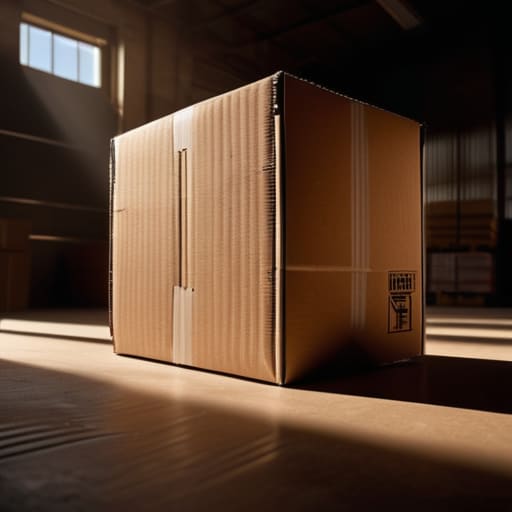
I’ve seen too many procurement teams treat the corrugated box as a mere commodity, a line item to be squeezed until it bleeds. They look at the per-unit cost and think they’ve won. But a box isn’t just a container; it is the primary structural component of your entire logistics chain. If you ignore corrugated box strength in favor of a lower price point, you aren’t saving money—you are simply pre-funding a massive wave of customer returns and insurance claims.
When you stack pallets in a sea container, the bottom box isn’t just holding its own weight; it is fighting the cumulative pressure of everything above it. If the flute integrity is substandard, the box walls buckle, the stack leans, and your shipping container integrity is compromised before the vessel even leaves the port. You cannot rely on “careful handling” by dockworkers to save a weak box. True transit damage prevention starts with selecting a board grade that can actually withstand the compression loads of a real-world stack, not the idealized, single-unit scenarios your supplier’s sales brochure suggests.
The Desiccant for Humidity Control That Prevents Costly Rework
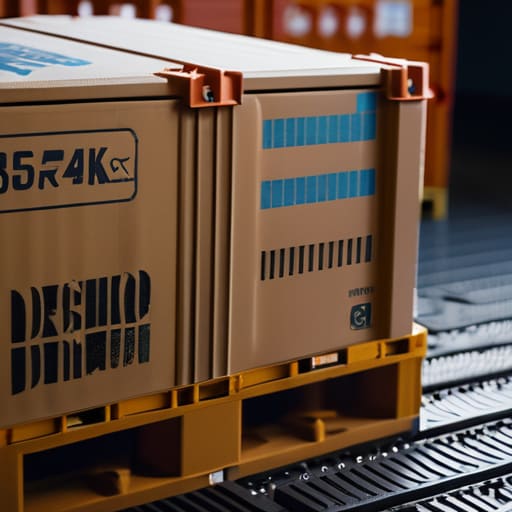
I’ve seen enough “perfectly packed” containers arrive at a warehouse smelling like a damp basement to know that moisture is the silent killer of margins. You can have the best load stability methods in the world, but if your goods spend twenty days sitting in a humid port or crossing an ocean in a steel box that’s essentially a greenhouse, your inventory is at risk. People treat a desiccant for humidity control like an optional line item—a little extra cost they can trim from the budget—but that is a rookie mistake.
In my experience, skipping high-quality desiccant is just a way of pre-ordering a massive rework project for your quality team. When moisture gets trapped inside the packaging, it doesn’t just cause surface rust or mold; it compromises the structural integrity of your cartons. I have seen entire pallets collapse because the humidity caused the cardboard to soften, rendering your previous efforts at transit damage prevention completely moot. If you aren’t calculating the relative humidity levels of your specific shipping routes, you aren’t actually managing your costs—you’re just gambling with them.
Five Things Your Supplier Won't Tell You About Transit Packaging
- Stop looking at the unit price of your dunnage and start looking at the stack height; if you aren’t calculating the compression strength of the bottom carton in a multi-high pallet stack, you aren’t buying protection, you’re buying a future warehouse full of crushed inventory.
- Verify the burst strength (Mullen test) yourself rather than taking a spec sheet at face value, because a supplier who cuts corners on paper thickness is usually the same one who will “forget” to mention they switched to a lower grade mid-production run.
- If you are shipping ocean freight, your “moisture-proof” polybags are useless unless you’ve accounted for the container’s micro-climate; a cheap bag that doesn’t have a proper seal is just a plastic shroud for your moldy product.
- Treat your pallet specification as a non-negotiable technical requirement, not a suggestion, because a slightly undersized pallet or a poorly wrapped load will turn your entire shipment into a game of Tetris that usually ends with broken corners and rejected receiving reports.
- Demand a sample of the actual packaging used for your specific SKU before the first production run, because “standard packaging” is a vague term suppliers use to mask the fact that they are using whatever scrap material they have left in the warehouse.
The Real Cost of Cutting Corners on Transit Packaging
Stop treating unit price as the final number; if you save $0.05 on a box but lose 3% of your margin to transit damage and unscheduled rework, you haven’t saved a cent—you’ve just moved the cost from procurement to the warehouse floor.
A supplier’s spec sheet is a claim, not a fact, so demand proof that your packaging can handle the specific stack height and humidity of your actual shipping lane rather than just “standard” conditions.
View packaging as a risk management tool rather than a consumable expense; the goal isn’t to find the cheapest way to wrap a product, but the most reliable way to ensure that what leaves the factory arrives in a condition that doesn’t require a quality inspection.
The Bottom Line on Transit Protection
At the end of the day, effective transit packaging isn’t about finding the cheapest way to wrap a product; it’s about mitigating the predictable failures of a global supply chain. We’ve looked at why corrugated strength is your primary defense against stack collapse and why moisture control via desiccants is a non-negotiable requirement for long-haul sea freight. If you ignore the structural integrity of your boxes or the atmospheric realities of a shipping container, you aren’t saving money—you are simply deferring a massive cost to your quality control team. Remember, a well-specified packaging protocol is a hedge against the chaos of logistics, ensuring that what leaves the factory floor actually arrives in a condition that is fit for sale.
I have seen too many procurement teams treat packaging as an afterthought or a line item to be squeezed during negotiations. But in my nineteen years of sourcing, I have learned that the most expensive packaging is the kind that fails. Don’t let a few cents of savings on a per-unit basis blind you to the reality of landed costs, which include the nightmare of returns, the labor of rework, and the erosion of customer trust. Build your packaging strategy on evidence and specifications, not on the optimistic promises of a supplier who hasn’t had to deal with a crushed pallet in a rainy port. Do it right the first time, or prepare to pay for it twice.