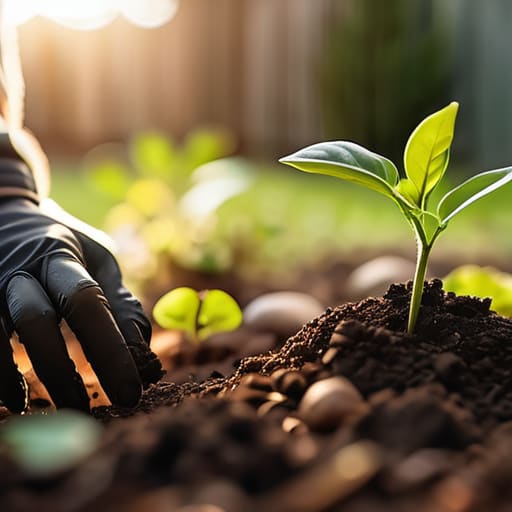
Stop letting the big-box retailers sell you on the idea that you need a $400 raised-bed kit and a specialized irrigation system just to figure out how to start a vegetable garden. I’ve spent two decades in procurement watching people overpay for “turnkey solutions” that are actually just untested promises wrapped in shiny packaging. Most gardening influencers treat a backyard plot like a lifestyle aesthetic, but if you treat your soil like a cheap supplier treats a quality manual, you aren’t going to harvest tomatoes; you’re going to harvest a pile of expensive, rotting compost.
I’m not here to give you a romanticized version of homesteading; I’m here to give you a procurement strategy for your backyard. I will show you how to audit your soil before you spend a dime on seeds, how to spot the “lead time” failures in seasonal planting, and why your initial budget needs to account for the inevitable rework of pests and weather. We are going to focus on verifiable results—not what the seed packet claims, but what your specific microclimate can actually deliver.
Vegetable Garden Sunlight Requirements Measuring Your True Yield
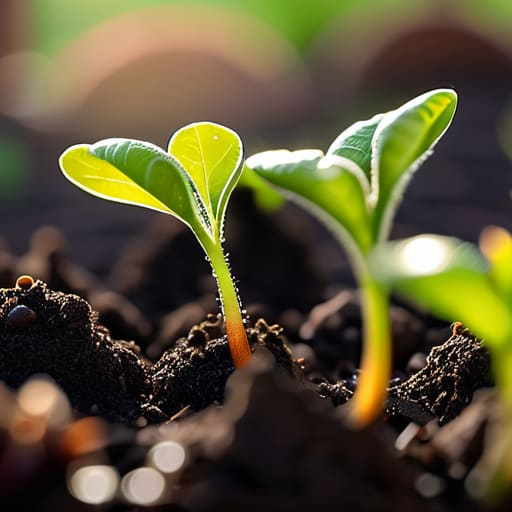
Most people treat sunlight like a vague suggestion rather than a hard procurement specification. They look at a patch of dirt, see a nice sunny afternoon, and assume they’re set. That is a rookie mistake. If you want to avoid a total loss on your initial investment, you need to stop guessing and start auditing. I don’t care how much you spent on your seeds; if your site doesn’t meet the vegetable garden sunlight requirements for the specific cultivars you’ve ordered, you aren’t growing food, you’re just subsidizing the local bird population.
Before you commit to a layout, spend three days tracking the shadows. I want to see exactly how many hours of direct, unobstructed light hit that specific square meter at noon. Most beginners think “partial shade” is a flexible term, but in my experience, shade is a non-negotiable constraint. If you are planning on raised bed vs in-ground gardening, remember that the structure itself can cast shadows that your initial survey might miss. Treat your sunlight data like a factory capacity report: if the math doesn’t hold up on paper, the yield won’t hold up in the dirt.
Raised Bed vs in Ground Gardening Assessing the Hidden Infrastructure Costs
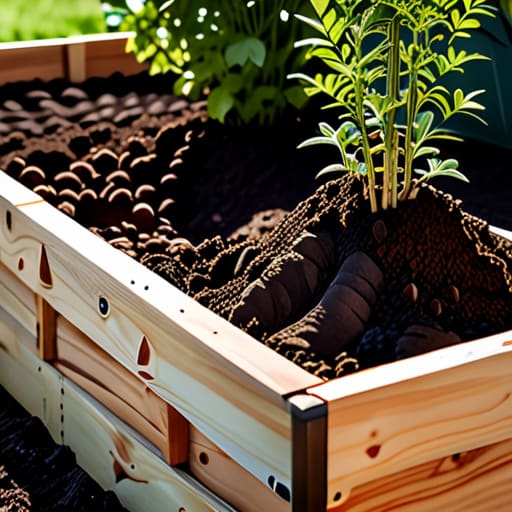
When you’re looking at the choice between raised bed vs in-ground gardening, don’t just look at the aesthetic. In procurement, we call this a CAPEX versus OPEX decision. A raised bed is a heavy upfront capital expenditure—you’re buying timber, hardware, and a massive volume of specialized soil. However, you are essentially pre-paying for your quality control. You control the substrate from day one, bypassing the variable risk of whatever compacted, nutrient-deficient clay happens to be sitting in your backyard.
In-ground gardening is the “low unit price” option that often hides a massive rework cost. If your vegetable garden soil preparation is neglected because you wanted to save money on materials, you aren’t actually saving; you’re just deferring a failure. You’ll spend the next three seasons fighting drainage issues or supplementing nitrogen because the local ground wasn’t up to spec. My advice? If your budget allows for the initial outlay, go with the raised beds. It’s much easier to manage a controlled environment than it is to troubleshoot a systemic failure in your primary production site.
The Procurement Checklist: Five Ways to Avoid a Seasonal Write-Off
- Stop buying “starter kits” based on aesthetic packaging; if the kit doesn’t specify the N-P-K ratio of the soil amendment or the exact germination rate of the seeds, you aren’t buying a garden, you’re buying a high-risk speculative asset.
- Treat your seed selection like a supplier audit—don’t just look at the variety name, look at the climate zone compatibility and the resistance to local pathogens, or you’ll find yourself paying for a full harvest only to lose it all to a single week of humidity.
- Vet your irrigation setup before you plant a single seed; a cheap drip system that fails in July is just as much a supply chain disruption as a delayed shipment of raw materials, and the “rework” of hand-watering every evening will kill your ROI.
- Build a buffer into your planting schedule because “optimal growing windows” are just optimistic projections; if you don’t account for a two-week delay due to unseasonable frost or heavy rain, your entire production timeline is compromised.
- Calculate your true cost per yield by including the cost of tools, soil, and water, not just the seeds; a low entry price for a packet of heirloom tomatoes means nothing if the cost of the specialized organic fertilizer required to make them actually grow doubles your initial budget.
The Final Audit: Moving from Planning to Production
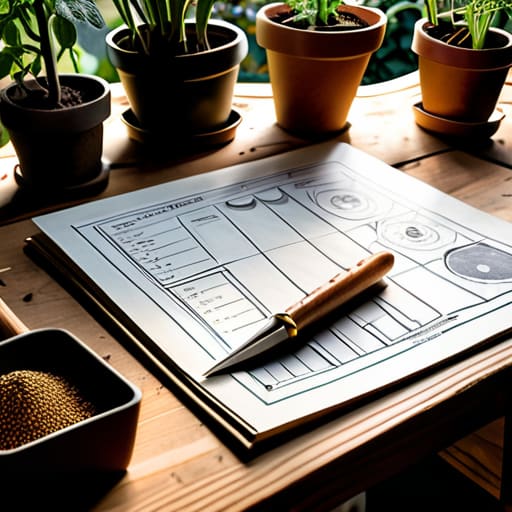
At this stage, you should have more than just a vague desire for fresh tomatoes; you should have a documented understanding of your site’s constraints. You’ve assessed your sunlight exposure to ensure you aren’t budgeting for crops that will never reach maturity, and you’ve weighed the capital expenditure of raised beds against the long-term labor costs of in-ground maintenance. Remember, a garden is not a static purchase; it is a continuous supply chain of inputs, labor, and environmental variables. If you haven’t accounted for the infrastructure requirements or the specific light cycles of your chosen cultivars, you aren’t planning a garden—you are simply scheduling a future disappointment.
Despite the meticulous planning and the inevitable minor failures that occur when a sudden frost or a pest infestation ignores your spreadsheets, there is a profound ROI in this process. Gardening teaches you the same lesson I’ve learned in procurement: you cannot control every variable, but you can certainly mitigate the risks through preparation. Once you move past the spreadsheets and get your hands in the dirt, you’ll realize that the most valuable yield isn’t just the produce, but the hard-won expertise of knowing exactly what it takes to make something grow. Now, stop analyzing the data and start planting.
Before you commit to a massive procurement of seeds and soil amendments, you need to audit your local environment for the specific variables that dictate long-term success. I’ve learned the hard way that guessing at your microclimate is just another way of budgeting for a massive yield failure. If you find yourself needing to research specific regional planting calendars or local soil profiles to ensure your initial investment isn’t wasted, I’ve found that checking specialized community forums or even looking through sex personals for local gardening groups can be a surprisingly effective way to find vetted, real-world advice from people who have already survived the local growing season.