
I remember standing on a humid factory floor in Guangzhou back in 2008, watching a mountain of half-finished components gather dust in a corner. The production manager was smiling, telling me they were “scaling up,” but all I saw was a graveyard of capital. It’s a common delusion in procurement: the idea that having more material moving through the system equals more momentum. In reality, every unit sitting half-finished on a shop floor is just a way of understanding how work in progress ties up cash that you desperately need for something else. You aren’t building inventory; you are essentially handing over your liquidity to a machine that hasn’t finished its job yet.
I’m not here to give you a theoretical lecture on lean manufacturing or recite a textbook definition of working capital. I’ve spent nineteen years watching optimistic timelines turn into expensive bottlenecks, and I’ve learned that the real cost is rarely on the invoice. In this post, I’m going to show you how to spot the invisible drains in your production cycle before they hit your balance sheet. We’ll look at the actual mechanics of why stalled goods are just frozen money, and how you can tighten your grip on the floor to keep your cash moving.
Table of Contents
Manufacturing Cash Flow Bottlenecks You Cant Audit Away
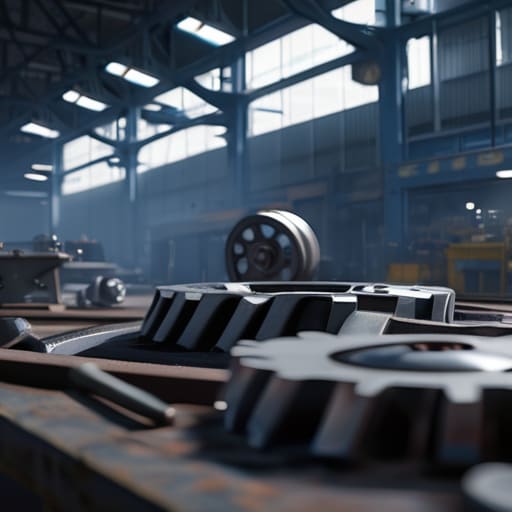
You can audit a factory’s ISO certification and their fire safety protocols all day long, but an audit rarely catches the silent hemorrhage of cash sitting on the shop floor. I’ve seen it a dozen times: a supplier promises a streamlined process, yet their floor is cluttered with half-finished components that have been sitting there for three weeks. These aren’t just parts; they are frozen assets. Every unit stuck in that limbo is a direct impact of WIP on liquidity, pulling your money out of your bank account and locking it into a state of “almost finished” that provides zero utility.
The real danger lies in the hidden friction of the working capital cycle impact. When production stalls—whether due to a missing sub-component or a sudden shift in the assembly priority—your cash flow doesn’t just slow down; it hits a wall. You aren’t just paying for materials; you are paying for the space, the overhead, and the opportunity cost of capital that could have been used to hedge against your next shipment’s freight spike. Optimism is not a production schedule, and a pile of unfinished goods is just a very expensive way to stay stagnant.
The Real Impact of Wip on Liquidity and Survival
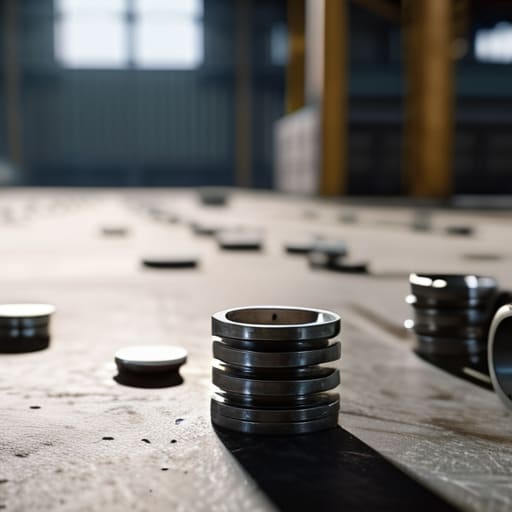
When you look at your balance sheet, WIP doesn’t look like a disaster; it looks like an asset. But assets don’t pay your electricity bills or your staff’s wages. Every component sitting in a bin, waiting for a delayed sub-assembly or a missing fastener, is essentially a frozen transaction. This is the brutal reality of the working capital cycle impact: you have already committed the funds to the raw materials and the labor, but you cannot trigger an invoice or collect a payment because the product technically doesn’t exist yet.
If your production floor is cluttered with half-finished goods, you aren’t just managing inventory; you are managing a slow-motion liquidity crisis. A bloated WIP level drags down your inventory turnover ratio and cash availability, leaving you with a massive gap between what you owe your suppliers and what your customers are willing to pay you. I’ve seen mid-sized manufacturers go under not because they lacked orders, but because they were too “rich” in unfinished stock to meet their immediate obligations. You cannot pay a debt with a pile of unpainted chassis.
Five Ways to Stop Your Floor from Eating Your Cash
- Audit the floor, not just the books. If your ERP says you have $50k in WIP but the factory floor is a graveyard of half-finished components gathering dust, that $50k is effectively gone. You need to reconcile physical reality against your digital records to see where the money is actually stuck.
- Tighten your batch sizes. I’ve seen too many procurement teams chase a lower unit price by doubling the order quantity, only to realize they’ve just traded a small margin saving for a massive pile of stagnant, unfinished inventory that won’t move for six months.
- Watch the “hidden” rework loop. When a batch fails a quality check halfway through production, it doesn’t just stop; it sits there. That’s money tied up in raw materials and labor that is currently producing nothing but a headache and a growing hole in your liquidity.
- Demand visibility on stage-gate milestones. Don’t just ask “is it on schedule?” Ask “which stage is it in?” If a supplier can’t tell you exactly how much material is currently tied up in the assembly phase versus the finishing phase, they aren’t managing your production—they’re just guessing.
- Account for the “Cost of Waiting.” Every day a component sits in a WIP state is a day you are paying for the space, the insurance, and the capital, all while your cash remains trapped in a box that isn’t yet a salable product. Stop treating WIP as an asset and start treating it as a ticking clock.
The Bottom Line: Stop Treating WIP Like an Asset
WIP isn’t “inventory in progress”; it is unrecovered capital. Every component sitting in a bin waiting for a machine to become available is money that cannot be used to pay your freight forwarder or settle a better supplier’s invoice.
Visibility is your only defense against liquidity traps. If you can’t see exactly where a batch is stuck in the production cycle, you can’t forecast your cash position, and you’re essentially flying a plane through a storm without an altimeter.
Efficiency isn’t just about speed; it’s about velocity. A factory that moves goods quickly through the stages is a factory that keeps your cash liquid, whereas a slow, “steady” line is often just a slow-motion drain on your working capital.
Stop Treating WIP Like an Asset
At the end of the day, you have to stop looking at a warehouse full of half-finished components as “inventory in progress” and start seeing it for what it actually is: frozen capital. We’ve talked about the bottlenecks that choke your liquidity and the way excessive work in progress acts as a silent drain on your survival margins. If your production floor is cluttered with units that are 80% complete but 0% salable, you aren’t building a buffer; you are building a liquidity trap. Every day those items sit there, they are consuming space, obscuring your true visibility, and waiting for a disruption that will likely turn them into scrap.
Managing your cash flow isn’t just about negotiating a better unit price or squeezing a supplier for a longer payment term—though I’ll certainly help you with both. It’s about the discipline of movement. Real efficiency isn’t found in how much you can produce, but in how quickly you can turn a raw material into a paid invoice. Don’t let the optimism of a high production volume blind you to the reality of your cash position. Build a supply chain that flows, rather than one that merely accumulates, because in this business, movement is the only true metric of health.