
I once stood on a loading dock in Shenzhen, watching a supplier’s floor manager casually toss a drum of unlabelled chemical reagent toward a pallet, acting as if he were moving bags of rice. He smiled when I pointed out the MSDS discrepancies, telling me it was “standard procedure” and that they’d fix the paperwork once the container was sealed. That’s the lie that keeps me up at night: the assumption that knowing how dangerous goods are shipped is just about checking a box on a compliance form. In reality, it’s a high-stakes game of preventing catastrophes that most people don’t realize they’re playing until the freight forwarder calls with a massive fine or, worse, a safety incident.
I am not here to give you a sanitized, textbook definition of IMDG regulations that you could find in any free online PDF. Instead, I’m going to pull back the curtain on the actual mechanics of the supply chain—the messy, expensive, and often terrifyingly complex reality of moving hazardous materials. I will show you where the documentation actually fails, how to spot a freight quote that is hiding massive liability risks, and how to ensure your “compliant” shipment doesn’t become a total loss before it even hits the water.
Table of Contents
Decoding the Un Classification System for Shipping Truths

When you look at a packing list, don’t just scan for the weight; look for the UN number. That four-digit code is the only thing standing between a smooth transit and a container full of expensive, legally-binding headaches. The UN classification system for shipping isn’t just a suggestion for your labeling team; it is the fundamental language of risk. If your supplier hands you a box labeled “electronics” but the dangerous goods safety data sheets (SDS) clearly indicate a Class 9 hazard, you aren’t just looking at a clerical error—you are looking at a massive compliance failure that will get your shipment flagged, fined, or flat-out rejected at the terminal.
I have seen too many procurement teams treat these codes as a “check the box” exercise. They ignore the nuance between cargo aircraft vs passenger aircraft restrictions, assuming that if it fits in a box, it fits on a plane. It doesn’t. A misunderstanding of these classifications means you might quote a lead time based on air freight, only to find out your specific battery type is restricted to sea freight, effectively doubling your transit time and blowing your production schedule. Never take a supplier’s word that a product is ‘safe’ for air transport; demand the documentation that proves it.
Why Dangerous Goods Safety Data Sheets Are Often Misinterpreted
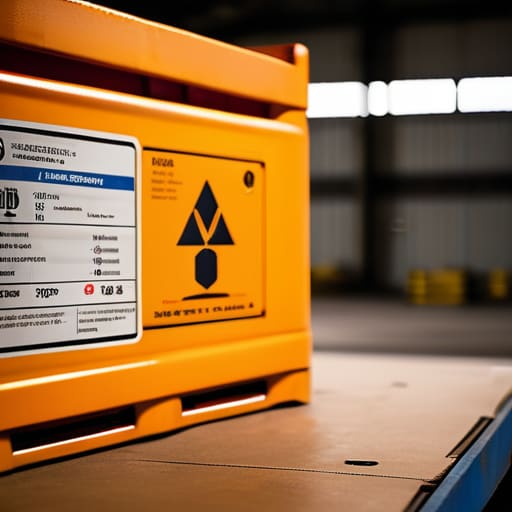
I’ve sat in enough warehouse meetings to know that most people treat a Safety Data Sheet (SDS) like a suggestion rather than a technical manual. They skim the first page, see the chemical name, and assume they’re good to go. But if you aren’t looking specifically at Section 14, you are essentially flying blind. This is where the actual transport requirements live, and it is where most procurement teams fail their first audit. A supplier might hand you a document that looks official, but if they haven’t updated it to reflect current IATA dangerous goods regulations, that piece of paper is nothing more than expensive kindling.
The real danger lies in the gap between what a chemist writes and what a logistics clerk understands. You’ll see teams confidently book freight only to have the carrier reject the shipment at the terminal because they missed a specific instruction regarding cargo aircraft vs passenger aircraft restrictions. I have seen companies lose weeks of production time because they interpreted a “limited quantity” designation as a free pass to bypass proper labeling. An SDS isn’t a summary; it is a legal baseline, and treating it as a formality is the fastest way to turn a predictable shipment into a regulatory nightmare.
Five Ways Your Dangerous Goods Shipment Will Fail (And How to Stop It)
- Stop trusting “expert” quotes that omit surcharges. If a freight forwarder gives you a flat rate for hazmat without asking for the specific UN number and packing group, they aren’t being helpful—they’re being sloppy, and that “savings” will vanish into a mountain of unexpected surcharges the moment the cargo hits the terminal.
- Audit your packaging, not just your paperwork. I’ve seen plenty of perfect SDS documents paired with cardboard boxes that were never rated for the weight or the chemical volatility inside; if the packaging isn’t UN-certified and matched to the specific hazard class, the carrier will reject the load at the dock, and you’ll be paying for the storage while it sits there.
- Verify the “Last Mile” capability before you sign the contract. It’s easy to move hazardous materials across an ocean, but the real failure point is often the local courier or the final warehouse; ensure your supplier knows exactly which local regulations apply to the destination, or you’ll end up with a shipment that’s legally stuck in a transit hub.
- Demand proof of training, not just promises of compliance. When a supplier claims they “handle dangerous goods,” ask to see their staff’s training certifications; if they hesitate, it means your shipment is being handled by people who view safety protocols as suggestions rather than requirements, and that is when accidents happen.
- Build a buffer for “Compliance Lag” into your lead times. Shipping dangerous goods is never as fast as a standard container because of the mandatory inspections and specialized handling requirements; if you’re planning your production run based on a standard transit time without accounting for the extra 5-7 days of regulatory scrutiny, you’ve already lost the race.
The Real Cost of Cutting Corners on Dangerous Goods
A low freight quote on hazardous materials is almost always a trap; if they aren’t asking for the specific UN number and the SDS upfront, they aren’t pricing the risk, and you’ll be the one explaining the compliance fine to your CFO.
Never trust a supplier who claims their product is “non-hazardous” just because it hasn’t caused an issue yet; if the documentation doesn’t match the chemical reality, your shipment will sit in a bonded warehouse collecting storage fees while you scramble for paperwork.
Lead times for dangerous goods are never as short as the salesperson promises because specialized handling and regulatory checks add layers of friction that standard cargo simply doesn’t face—plan for the delay, or your production line will pay for it.
Don't Let a Paperwork Error Become a Line Item
At the end of the day, shipping dangerous goods isn’t about memorizing a massive binder of regulations; it’s about recognizing that compliance is a continuous process, not a one-time checkbox. We’ve looked at how the UN classification system provides the necessary structure, and how a misinterpreted Safety Data Sheet can turn a routine shipment into a legal and logistical nightmare. If you aren’t scrutinizing the technical data against what your forwarder is actually promising, you aren’t managing risk—you’re just hoping for the best. And in my nineteen years of doing this, hope has never been a viable procurement strategy.
My advice is simple: stop treating dangerous goods documentation as a formality and start treating it as the foundation of your entire supply chain. When you take the time to verify the classifications and demand clarity on how those chemicals are actually being handled, you aren’t being difficult; you are being professional. It might feel like extra work now, but it is significantly cheaper than the alternative. Building a process based on evidence rather than optimism is how you protect your margins, your reputation, and your people. Do the work upfront, because the cost of being wrong is always higher than the cost of being right.