I once stood in a humid warehouse in Chennai, watching a junior procurement officer nod enthusiastically at a freight forwarder’s promise that their “state-of-the-art” insulated containers were foolproof. He wasn’t wrong about the tech, but he was wrong about the reality; three days later, we opened a shipment of high-value biologics to find nothing but melted gel packs and a total loss. Most people think learning how to ship temperature sensitive goods is just about picking a high-end carrier and paying a premium for a fancy thermal blanket. They treat it like a checkbox on a spreadsheet, but in my nineteen years, I’ve learned that a temperature-controlled quote is often just a very expensive way to fail if you haven’t audited the actual hand-off points.
I’m not here to sell you on the latest expensive gadget or a glossy brochure from a logistics giant. Instead, I’m going to show you how to look past the marketing fluff and find the structural weaknesses in your cold chain. We are going to talk about validating thermal profiles, questioning the “guaranteed” transit times, and identifying the exact moments where your product is most likely to be left sitting on a sun-drenched tarmac. This isn’t about theory; it’s about evidence-based sourcing that ensures your goods actually arrive in the condition you paid for.
Table of Contents
Why Budget Thermal Packaging Solutions Fail in Transit
I’ve sat in too many warehouse offices staring at a pallet of spoiled inventory to believe in the “savings” promised by bottom-tier thermal packaging solutions. When a supplier offers you a price that looks too good to be true, they aren’t being generous; they are likely cutting corners on the R-value of the insulation or skimping on the phase-change material density. They sell you on the initial box cost, but they never mention that the thermal buffer will fail the moment the shipment hits a tarmac in 90-degree heat.
The real failure happens because these budget options lack a validated thermal profile. They rely on hope rather than science. If your provider isn’t integrating high-quality temperature monitoring devices into their workflow, you aren’t actually managing a shipment—you’re just playing a high-stakes game of dice with your margins. In my experience, the cheapest insulated shipping containers are almost always the most expensive mistake you will ever make, because they turn a routine delivery into a total loss that requires a full insurance claim and a massive amount of unbudgeted rework.
The Truth About Perishable Goods Transportation Claims
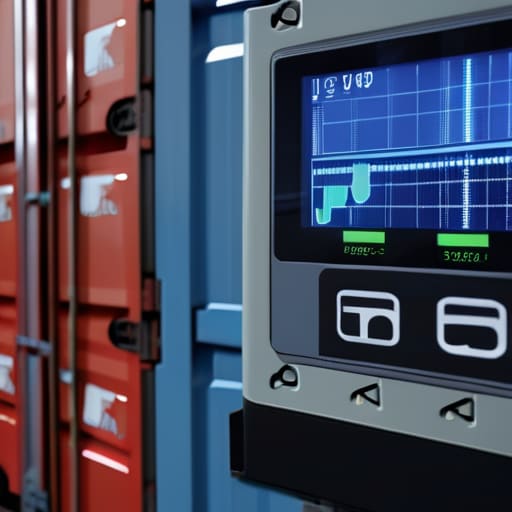
When a shipment arrives and the sensors show a spike that turned your cargo into expensive waste, the finger-pointing begins. The carrier will blame the packaging; the packaging supplier will blame the ambient temperature; and you’ll be left staring at a spreadsheet of lost revenue. Most people think a claim is a simple process of proving the goods were spoiled, but in the world of perishable goods transportation, the burden of proof is a moving target. If you can’t produce a continuous, unbroken data log from the moment the pallet left the dock to the moment it hit the warehouse floor, you aren’t filing a claim—you’re just making a request for charity.
I have seen too many procurement managers rely on “trust me” from a logistics provider instead of demanding rigorous climate-controlled shipping protocols. A successful claim requires more than just a photo of melted product; it requires forensic evidence. You need to show exactly where the thermal envelope failed and prove it wasn’t due to improper loading or a delay at a transshipment point. If your contract doesn’t explicitly define the standard of evidence required to trigger a payout, you are essentially self-insuring against every single shipment.
Five Ways to Stop Your Cold Chain from Becoming a Paperweight
- Demand a validated thermal profile, not a marketing brochure. If your logistics provider can’t show you data from a controlled chamber test that mimics your specific route and seasonal extremes, they aren’t selling you a shipping solution—they’re selling you a prayer.
- Stop treating packaging as a one-off purchase and start treating it as a component of your landed cost. A cheap polystyrene box looks great on a spreadsheet in Q1, but once you factor in the 15% spoilage rate and the cost of the emergency air freight to replace it, that “saving” disappears.
- Audit the “last mile” with the same scrutiny you give your primary factory. Most temperature excursions don’t happen on the long-haul ocean freight; they happen on a hot loading dock or in the back of a non-refrigerated van because a driver was running behind schedule.
- Build a buffer into your lead times that accounts for customs inspections. I have seen countless shipments of temperature-sensitive goods rot in a bonded warehouse because the procurement team assumed a “standard” 48-hour clearance window, forgetting that a random inspection can turn a two-day transit into a ten-day nightmare.
- Verify that your supplier’s quality manual actually matches their warehouse floor. If they claim to maintain a strict cold chain but their receiving dock is a chaotic mess of pallets sitting in the sun, your shipment is compromised before it even hits the truck.
The Reality Check: What Your Logistics Plan Needs to Actually Work
Stop treating thermal packaging as a commodity; if your supplier can’t provide a validated thermal profile and a contingency plan for transit delays, you aren’t buying a shipping solution—you’re just buying a very expensive way to deliver spoiled inventory.
A low freight quote is a lie until you factor in the cost of a total loss; always calculate your landed cost with a “failure buffer” that accounts for the duty, freight, and the inevitable rework or disposal of a compromised shipment.
Don’t trust a “guaranteed” temperature window based on a brochure; demand the data that proves their solution survives the specific, unpredictable realities of your actual shipping lanes and seasonal temperature spikes.
Stop Chasing Unit Prices and Start Managing Risk
If you take anything away from this, let it be this: temperature-controlled logistics is not a commodity you buy; it is a technical specification you validate. You cannot fix a broken cold chain once the container doors are sealed and the sensors start reporting deviations. We have looked at why the cheapest thermal packaging is often a debt you’ll pay back in spoiled inventory, and why a “low-cost” freight quote is usually just an invitation for a protracted insurance claim. To get this right, you must demand more than promises. You need validated thermal profiles, proven contingency plans, and a supplier who understands that a shipment is only successful if the product arrives in the same condition it left the factory.
At the end of the day, my job—and yours—is to bridge the gap between what a vendor claims they can do and what they can actually prove under pressure. Sourcing isn’t about finding the lowest number on a spreadsheet; it’s about building a supply chain that doesn’t collapse the moment a flight is delayed or a reefer unit glitches. Stop treating temperature control as an afterthought or a line item to be trimmed. When you invest in rigorous qualification and real-time visibility, you aren’t just spending money—you are buying the one thing that keeps a procurement manager sleeping at night: certainty.