
I still remember standing on a sweltering factory floor in Pune, watching a technician try to force a bent component into a jig that was clearly out of spec. The supplier had promised “precision laser cutting,” but the reality was a pile of scrap metal and a mounting pile of excuses about machine calibration. Most people think understanding how sheet metal fabrication works is just about knowing the difference between punching and bending, but they’re missing the point. It isn’t a physics lesson; it’s a game of tolerances where the real cost isn’t in the machine time, but in the inevitable rework you didn’t budget for.
I’m not here to give you a sanitized, textbook definition of the manufacturing process. Instead, I’m going to pull back the curtain on the actual mechanics—from the initial CAD file to the final powder coating—and show you where the hidden failures usually hide. I will explain the technical steps, but more importantly, I’ll tell you how to spot a quote that looks good on paper but is designed to fail your quality inspection. This is about practical, hard-won knowledge that keeps your production line moving and your landed costs under control.
Table of Contents
The Precision Gap Cnc Laser Cutting Advantages and Hidden Defects
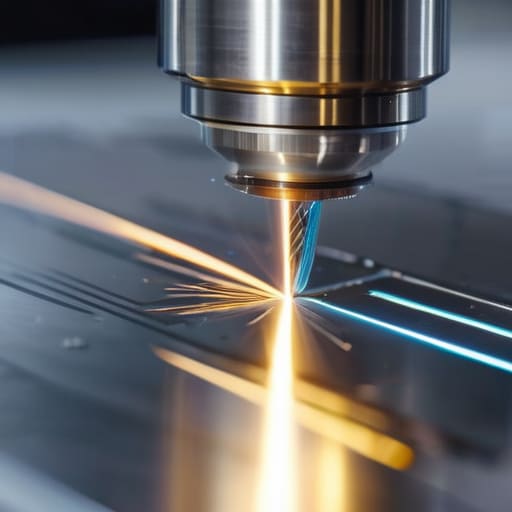
When you look at a quote for CNC laser cutting, you’re seeing a promise of absolute precision. And for the most part, the CNC laser cutting advantages are real; the speed and ability to execute complex geometries are unmatched. But I’ve spent enough time on factory floors to know that a laser’s path is only as good as the material it’s biting into. If your supplier is using lower-grade alloys or failing to calibrate their gas pressure, you aren’t getting a clean edge. You’re getting a part with microscopic burrs or heat-affected zones that will cause your subsequent metal bending and forming methods to fail or, worse, crack the material during the bend.
I’ve seen too many procurement teams treat laser cutting as a “set it and forget it” step in the sheet metal fabrication process steps. They see a tight tolerance on the CAD drawing and assume the machine will deliver it. It won’t—not if the operator is cutting through slag or ignoring the buildup of dross. If your vendor can’t explain how they manage heat distortion or what their inspection protocol is for edge quality, that low unit price is a massive red flag.
Material Truths Sheet Metal Fabrication Materials and Tools That Matter
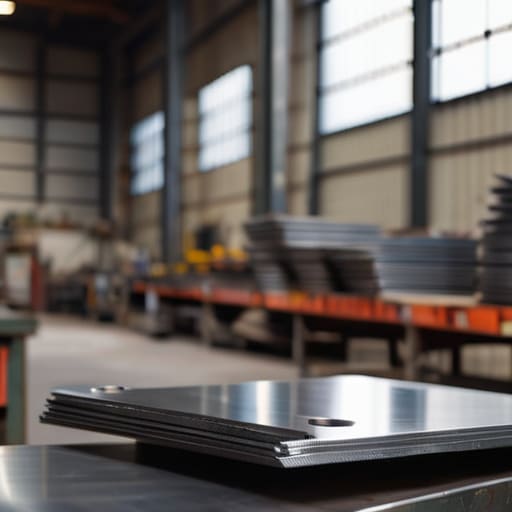
When a supplier sends you a quote, they are usually quoting for the material they want to use, not necessarily the material your specs require. I’ve sat in enough factory offices to know that the difference between a high-grade stainless steel and a cheaper, inconsistent alloy is often invisible until the parts hit your assembly line and refuse to fit. You need to look past the raw material list and ask about their inventory management. If they can’t tell you the specific mill certs for a batch, they aren’t managing their sheet metal fabrication materials and tools; they are just hoping you won’t notice the substitution.
It isn’t just about the metal itself, though; it’s about the marriage of material and machine. I’ve seen “precision” quotes fall apart because the shop used outdated metal bending and forming methods that couldn’t handle the springback of a thicker gauge. A supplier might claim they have the capacity, but if their tooling is worn, your tolerances will drift with every tenth part. Don’t just ask if they can do the job; ask how they calibrate their machines to ensure the first part is as accurate as the thousandth.
Five Red Flags to Watch for Before You Sign the Purchase Order
- Demand a sample of the actual bend radius, not just a CAD drawing; if their tooling doesn’t match your material thickness, your entire assembly is going to be a nightmare of forced fits and stressed metal.
- Stop treating lead times as a single number; ask for a breakdown of material procurement versus machine time, because if they can’t tell you how long it takes to secure the coil, they aren’t managing their supply chain, they’re just guessing.
- Audit their scrap management and nesting software capability; a shop that wastes 30% of every sheet is a shop that will eventually try to pad your unit price to cover their inefficiencies.
- Look past the shiny laser cutter and check the deburring station; if the edges aren’t consistently clean, you aren’t just buying parts, you’re buying a massive labor bill for your own team to sand down every single piece.
- Verify their tolerance stack-up capability on paper before the first run; if they can hit the laser cutting spec but can’t maintain consistency through the folding process, your “precision” parts will arrive as expensive scrap.
The Procurement Reality Check
Stop treating a unit price as a fixed number; if the quote doesn’t account for the tolerances required for your specific assembly, you aren’t buying a part, you’re buying a future rework bill.
A supplier’s ability to cut laser is irrelevant if their material traceability is a mess; always demand proof of material grade to ensure you aren’t paying premium prices for sub-standard scrap.
Lead times are a suggestion until you see the production schedule; verify that their machine capacity matches your volume, or prepare to watch your “on-time” delivery slip into a month-long delay.
Beyond the Quote: Making the Right Call
At the end of the day, understanding how sheet metal fabrication works means looking past the shiny brochures and the low-ball unit prices. You have to account for the reality of the process: how the choice of material dictates the toolset, how CNC laser precision can still be undermined by poor maintenance, and how a “standard” lead time often ignores the bottleneck of finishing and rework. If you aren’t looking at the entire technical workflow—from the raw coil to the final bend—you aren’t sourcing; you’re just gambling. A successful procurement strategy requires you to bridge the gap between what a supplier says they can do and what their machinery is actually capable of delivering.
Don’t let a spreadsheet convince you that a supplier is a good fit just because their margins look healthy. True reliability is found in the details that don’t show up in a preliminary quote, like their ability to maintain tolerances when a job gets complex or how they handle material substitutions. My advice? Demand evidence over promises. When you stop chasing the lowest price and start investing in proven technical competence, you stop managing crises and start managing a supply chain. That is how you turn a volatile process into a predictable, scalable advantage for your business.