
I remember sitting in a humid, windowless office in Shenzhen, watching a factory manager confidently explain their “robust” containment protocol while the actual scrap pile in the corner grew higher by the hour. He was selling me a dream, but the reality was a nightmare waiting to happen. Most people think managing a crisis is about following a glossy, pre-written manual, but they quickly learn that how recalls are handled is rarely about the paperwork and almost always about the integrity of your supply chain. When the failure hits, your “low-cost” supplier won’t be answering your midnight calls; they’ll be busy rewriting their own version of the truth.
I’m not here to give you the sanitized, textbook version of crisis management that looks good in a boardroom presentation. I’m going to tell you what actually happens when the wheels come off—from the frantic traceability checks to the brutal reality of managing defective stock that’s already sitting in your customers’ hands. We are going to look at the uncomfortable mechanics of a true recovery, focusing on how to verify supplier claims and how to build a process that survives the first contact with reality.
Table of Contents
The Product Recall Management Lifecycle Beyond the Panic Phase
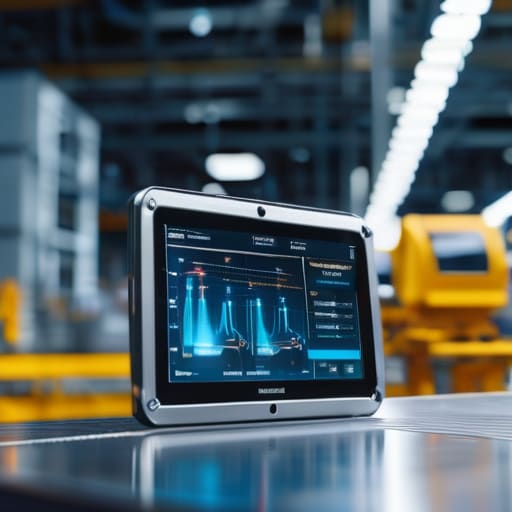
Most people think a recall begins when the first customer complaint hits your inbox, but by then, you aren’t managing a process—you’re managing a catastrophe. A real product recall management lifecycle starts months earlier, in the boring, unglamorous work of verifying your data. If your supplier tells you they have “full visibility” but can’t produce a clean lot code within twenty minutes of a request, your lifecycle is already broken. You need to move past the assumption of safety and start demanding proof of batch tracking and identification that actually holds up under pressure.
The middle phase isn’t about the frantic phone calls; it’s about the surgical precision of the containment. This is where the difference between a controlled withdrawal and a brand-killing disaster is decided. If you haven’t mapped out your supply chain traceability solutions before the crisis, you’ll end up recalling three extra months of production just because you couldn’t prove where the tainted component stopped. You don’t want to be guessing which pallets are safe while your legal team is breathing down your neck; you want to be able to point to a specific serial number and say, “That’s the one.”
Why Supply Chain Traceability Solutions Are Your Only Real Defense
If you are still relying on a series of disconnected Excel spreadsheets to track your components, you aren’t managing a supply chain; you’re managing a ticking clock. When a defect is identified, the first question isn’t “how do we fix this?” but “where exactly did this specific batch go?” Without robust supply chain traceability solutions, you end’t up performing a “scorched earth” recall—pulling every single unit off the market because you can’t prove which ones are actually tainted. That is how a manageable hiccup turns into a company-ending event.
Real defense isn’t about having a faster legal team; it’s about granular batch tracking and identification. I’ve seen too many procurement teams pride themselves on “tight relationships” with suppliers, only to realize during a crisis that they have zero visibility into the sub-tier vendors providing the raw materials. If you can’t trace a failure back to a specific lot number within minutes, your recall mitigation costs will skyrocket as you’re forced to over-notify and over-retrieve. You need to know exactly what is in the box before the regulator starts asking questions.
The Post-Mortem Checklist: 5 Hard Truths for Managing a Recall
- Stop looking at the unit price and start looking at the containment plan; if your supplier can’t show you exactly how they isolate non-conforming stock within sixty minutes, they aren’t a partner, they’re a liability.
- Audit your traceability before the crisis hits, because trying to map a batch number to a specific production run while your brand is bleeding reputation is a losing game.
- Verify the “paper trail” against the physical reality—I’ve seen too many factories present a perfect digital log that bears zero resemblance to the actual disorganized chaos on the warehouse floor.
- Build a “rework budget” into your contingency planning, because a recall almost always involves secondary costs like logistics, sorting, and the inevitable scrap that your original quote conveniently ignored.
- Demand a clear communication protocol in your contracts, ensuring you aren’t the last person to know when a defect is detected; if they aren’t contractually obligated to flag a deviation immediately, they’ll wait until the shipment is already on the water.
The Hard Truths: What You Can’t Afford to Ignore
A recall isn’t a logistics problem; it’s a proof of concept for your supplier management. If you didn’t audit their containment and traceability protocols during the “peace time” of onboarding, you aren’t managing a risk—you’re just waiting for a crisis to expose your lack of control.
Stop looking at the unit price and start looking at the liability. A supplier who offers a bottom-dollar quote but lacks a documented, verifiable recall procedure is actually charging you a massive, unbudgeted premium in the form of potential litigation and brand damage.
Traceability is not a “nice-to-have” digital luxury; it is your only way to prevent a surgical recall from turning into a total inventory wipeout. Without granular data, you won’t be able to isolate the bad batch, and you’ll end up paying to scrap perfectly good product just because you can’t prove where the failure started.
The Cost of Being Unprepared
At the end of the day, a recall isn’t just a logistical nightmare; it is the ultimate stress test for every decision you’ve made in the procurement cycle. You can have the most polished recall manual in the industry, but if your traceability data is a mess of disconnected spreadsheets and “trust me” emails from a Tier 2 supplier, that manual is just expensive paper. Managing a recall effectively requires more than just a fast response team; it requires the forensic evidence provided by robust systems and a supply chain that was audited for transparency long before the first defective unit hit the market. You cannot retroactively build a defense once the crisis has already arrived.
I have spent nearly two decades watching companies scramble to fix mistakes that were entirely preventable if they had simply looked past the initial unit price. Don’t mistake a smooth-running supply chain for a safe one; true security is found in the boring, granular work of verifying claims and documenting every link in the chain. Stop treating compliance as a checkbox exercise and start treating it as your primary insurance policy. When the inevitable happens—and in this business, it always does—you won’t be remembered for how much you saved on your last purchase order, but for how quickly you protected your customers and your reputation.