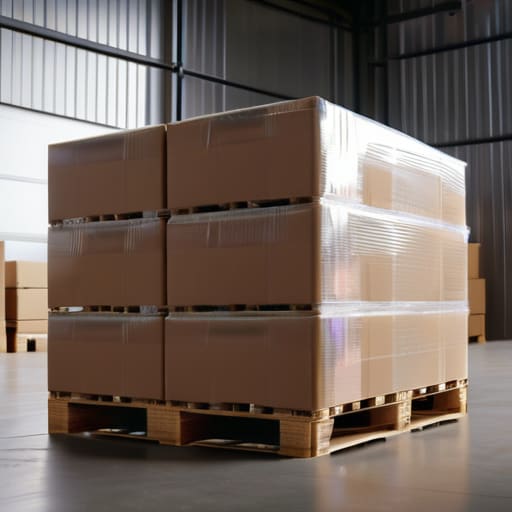
I once stood on a loading dock in Chittagong, watching a supplier’s team stack heavy crates like they were playing a game of high-stakes Tetris, all to save a few centimeters of container space. They thought they were being efficient, but as the ship hit its first swell, that “optimized” stack became a pile of crushed cardboard and expensive scrap. Most people think learning how to palletise correctly is just about following a diagram in a manual or slapping on enough stretch wrap to mummify a corner. They’re wrong. If you treat palletisation as a mere afterthought to the unit price, you aren’t actually managing a supply chain; you are just pre-ordering a massive insurance claim and a mountain of unbudgeted rework.
I’m not here to give you a theoretical lecture or a sanitized checklist that looks good in a boardroom but fails on a bumpy freight lane. I’m going to show you how to build a load that actually survives the reality of international logistics. We are going to look at the structural integrity of your base, the physics of weight distribution, and why your choice of wrap tension is the difference between a successful delivery and a total loss at sea.
Table of Contents
Unit Load Pattern Optimization Beyond Simple Stacking
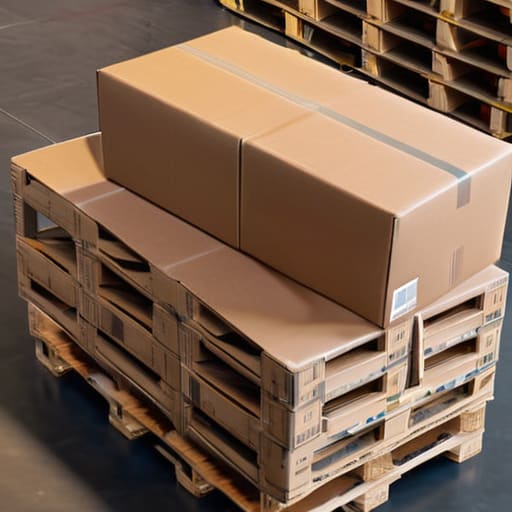
Most people think palletizing is just about stacking boxes until you hit the ceiling of the container. If that’s your strategy, you aren’t managing a supply chain; you’re playing a high-stakes game of Tetris with your profit margins. True unit load pattern optimization requires you to stop looking at individual boxes and start looking at the physics of the entire load. I’ve seen too many “optimized” shipments where the center of gravity was so high the first time a forklift tilted, the whole stack leaned like the Tower of Pisa.
You need to prioritize pallet weight distribution by placing your heaviest, most dense items at the base to create a solid foundation. If you’re mixing SKUs, the lighter, more fragile units stay on top—never let a heavy carton sit on a hollow one just because it fits the footprint. When you ignore these basic load stability techniques, you aren’t just risking a few crushed corners; you are essentially inviting a massive insurance claim and a week of unplanned rework the moment that shipment hits the receiving dock.
Pallet Weight Distribution the Foundation of Your Landed Cost
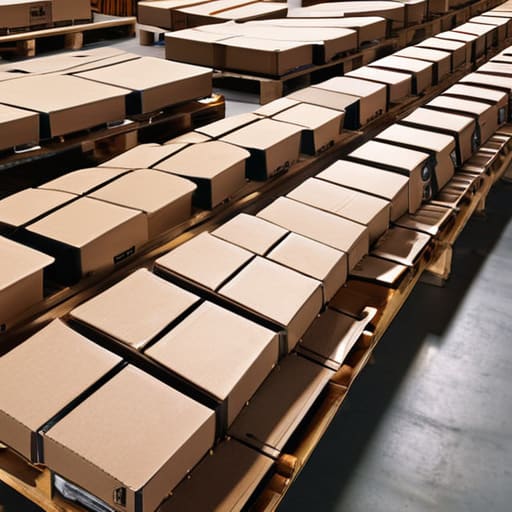
I’ve seen too many procurement managers celebrate a lower freight quote, only to have that “saving” evaporate the moment the container is opened. If your team is stacking heavy components on top of lightweight finished goods just to maximize cube utilization, you aren’t optimizing; you’re gambling. Proper pallet weight distribution isn’t some theoretical exercise for the warehouse floor; it is a direct lever on your bottom line. When the center of gravity is high or off-center, you aren’t just risking a tip-over in the yard; you are practically guaranteeing that your cargo will arrive as a pile of expensive scrap.
The math is simple, even if the execution in the factory often isn’t. You need a heavy base, a stable core, and a logical progression of weight. I don’t care how much your supplier promises regarding their load stability techniques—if I see a pallet that looks like a leaning tower of Pisa during a pre-shipment inspection, I’m flagging it. Neglecting the physics of the load is how you end up paying for rework, disposal, and expedited replacement air freight. In my experience, a well-distributed load is the only way to ensure your landed cost actually stays within the budget you presented to your CFO.
Five Ways to Stop Your Pallets from Becoming a Liability
- Stop treating stretch wrap like a suggestion. If your wrap isn’t overlapping the pallet base and tensioning the load into a single, monolithic unit, you aren’t shipping a product—you’re shipping a pile of loose parts that will inevitably migrate toward the edge of the container during transit.
- Mind the overhang. I’ve seen “optimized” loads where the product sticks out an inch past the pallet edge to squeeze more into a container. That inch is exactly where the forklift tine will crush your packaging or where a warehouse worker will snag a box, turning your margin into a pile of scrap.
- Respect the “Heavy-to-Light” rule or prepare for a rework claim. It sounds basic, but I still see light, high-volume boxes stacked under heavy, dense components. When that bottom layer buckles under the weight, you aren’t just looking at damaged goods; you’re looking at a complete teardown and repack at the destination, which will blow your landed cost out of the water.
- Use corner protectors if you actually care about your box integrity. If you are shipping high-value goods or heavy stacked loads, those cardboard edge protectors aren’t an “optional extra”—they are the only thing preventing the tension of your stretch wrap from collapsing the vertical integrity of your primary packaging.
- Verify the pallet quality before the goods touch them. A cracked stringer or a missing block on a cheap, reused pallet is a ticking time bomb. I’d rather pay an extra dollar per pallet for a certified, structurally sound unit than spend ten thousand dollars on a shipment that collapses in a middle-of-the-ocean transshipment hub.
The Real-World Cost of Cutting Corners
A “stable” stack is only stable if it survives a container being tossed around a feeder vessel in a Force 6 gale; if your pattern relies on friction rather than interlocking geometry, you aren’t shipping product, you’re shipping a pile of expensive scrap.
Stop treating pallet weight as a suggestion; if you exceed the rating of your timber or the capacity of your racking, you aren’t just risking a crushed bottom layer, you’re creating a massive, unbudgeted liability for your warehouse team and your insurance provider.
Every cent you “save” by reducing protective packaging or skimping on stretch wrap is a mathematical lie that will be clawed back the moment your QC team has to spend three days sorting through a shipment of dented, unusable inventory.
The Real Cost of a Single Bad Pallet
At the end of the day, correct palletization isn’t about following a manual or checking a box for the warehouse supervisor; it is about protecting your margins from the moment the goods leave the factory floor. We have looked at how optimizing your unit load patterns prevents crushing, and how even weight distribution can be the difference between a smooth delivery and a massive insurance claim. If you ignore these fundamentals, you aren’t just risking damaged product—you are systematically eroding your landed cost through freight surcharges, rework, and the inevitable customer credits. A pallet is not just a platform; it is the structural integrity of your entire supply chain during transit.
I have spent too many years staring at damaged shipments to believe in luck. You can have the best supplier in the world and the most efficient production line, but if that load shifts in a container because someone wanted to save five minutes on shrink-wrapping, all that hard work is wasted. Stop treating palletization as a low-level logistics task and start treating it as a critical quality control measure. When you build a load that is stable, balanced, and mathematically sound, you aren’t just moving boxes—you are securing your reputation and ensuring that the price you negotiated actually stays in your pocket.