I remember standing on a humid factory floor in Vietnam, watching a supervisor confidently point to a stack of neatly printed labels and tell me their system was foolproof. He was trying to sell me on the idea that their digital dashboard was the gold standard, but I wasn’t looking at the screen; I was looking at the bins. When I asked to see the link between those specific raw material heat numbers and the finished goods sitting in the shipping container, the conversation suddenly became very complicated. Most people think understanding how batch traceability works is about buying the most expensive ERP software on the market, but they’re wrong. Real traceability isn’t a software feature; it’s a disciplined connection between a physical part and a paper trail that actually holds up under pressure.
In this article, I’m going to strip away the sales fluff and show you what real accountability looks like on the ground. I won’t give you a theoretical lecture on data architecture; instead, I’ll explain how batch traceability works in the messy reality of a production line. We will cover how to spot a supplier who is faking their logs, how to demand the right documentation before the first PO is even signed, and how to ensure that when a defect inevitably surfaces, you aren’t stuck recalling your entire year’s inventory because of one bad batch.
Table of Contents
Beyond the Paper Trail Leveraging Lot Number Tracking
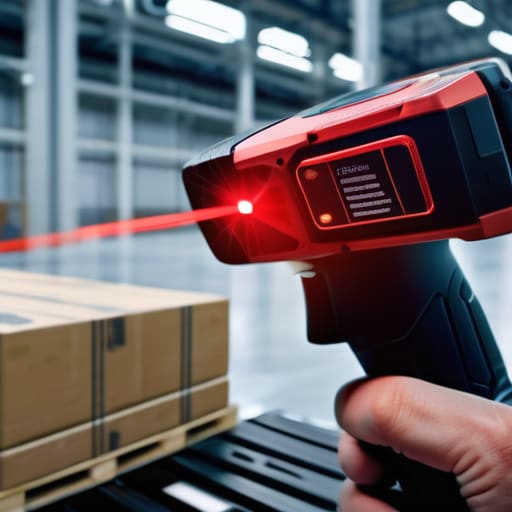
A lot number isn’t just a string of digits to be filed away in a folder; it is the heartbeat of your supply chain visibility. When I’m sitting in a factory audit, I don’t want to see a stack of clean, printed certificates. I want to see the operator actually scanning a code that links a specific batch of raw resin to the finished component sitting on the pallet. If they can’t demonstrate that real-time connection, you don’t have a system—you have a filing cabinet.
True lot number tracking allows you to move from being reactive to being surgical. I’ve seen too many procurement teams panic and initiate a total product recall because they couldn’t isolate a fault. If you have the right data, you don’t scrap everything; you only scrap the specific subset of units affected by that one faulty material run. It is the difference between a controlled, manageable correction and a financial catastrophe that wipes out your entire quarterly margin. You aren’t just tracking parts; you are protecting your bottom line.
End to End Traceability When Compliance Meets Hard Evidence

Real end-to-end traceability isn’t about having a nice digital dashboard that looks good during a quarterly review; it’s about whether you can pinpoint a failure before it hits your customers’ hands. I’ve seen too many procurement teams rely on “compliance and regulatory standards” as a shield, assuming that because a supplier has a certificate on the wall, the data is actually flowing. But a certificate doesn’t tell you if a sub-component from a tier-two vendor was swapped out mid-run because the original stock ran low. True visibility means the data follows the physical goods from the raw material stage through to your warehouse, leaving no gaps for excuses to hide in.
When you integrate this into your broader quality management systems, you stop playing defense. Instead of reacting to a massive, expensive recall, you use that data to isolate a specific batch. It’s the difference between scrapping an entire month’s worth of inventory and simply pulling three crates from a single production window. If your supplier treats data as an administrative burden rather than a survival mechanism, they aren’t a partner—they are a liability waiting to happen.
Five Ways to Tell if Your Traceability is Real or Just a Filing Cabinet Full of Lies
- Demand a “reverse trace” during your next factory audit. Don’t ask them how they track a batch from start to finish—that’s easy to script. Instead, pick a random finished unit off the line and tell them they have twenty minutes to show you the raw material certs and the operator log for that specific lot. If they start sweating or shuffling through folders, your traceability is a performance, not a process.
- Stop accepting “batch” as a catch-all term. If a supplier tells you a whole month’s production is one batch, they aren’t practicing traceability; they’re practicing obfuscation. Real traceability requires granular sub-lots. If a single component fails, you want to recall fifty units, not five thousand because the supplier decided to mix everything in one giant bin to save on paperwork.
- Look for the “human bridge” in the data. Digital systems are great until an operator forgets to scan a pallet or enters a typo that cascades through the entire ERP. I want to see how the factory handles the discrepancy. If their protocol for a missed scan is “just write it down later,” you’re going to have a massive gap in your data exactly when a quality crisis hits.
- Verify the raw material link, not just the assembly link. A supplier can have perfect records of their own assembly line, but if they can’t prove where their sub-components came from, your traceability ends at their loading dock. I’ve seen entire shipments scrapped because a tier-two supplier changed a chemical formulation without telling the tier-one, and the tier-one had no way of knowing.
- Check the timestamp integrity. If you see batch records where the “material arrival” time is suspiciously close to the “production start” time, someone is backdating paperwork to cover a gap in the chain. Traceability only works if the timeline is physically possible. If the math doesn’t add up, the data shouldn’t be trusted.
The Bottom Line: What You’re Actually Buying When You Ask for Traceability
Traceability isn’t a compliance checkbox; it’s your insurance policy against a total recall. If a supplier treats lot numbers like an afterthought, they won’t be able to isolate a defect when it hits your warehouse, leaving you to pay for the disposal of your entire inventory instead of just the bad batch.
Stop trusting “system-generated” reports at face value. I’ve seen too many suppliers show me a clean digital log that has zero connection to the physical reality of the shop floor. Real traceability is proven when a worker can point to a specific bin of raw material and match it to a finished unit in under five minutes.
A supplier’s ability to track a batch is the most honest indicator of their operational maturity. If they can’t manage the data of what they’ve already made, they certainly won’t be able to manage the complexities of your next production run or the inevitable shifts in your specifications.
The Cost of Guesswork
At the end of the day, batch traceability isn’t just a box to tick for your ISO auditors or a line item in a compliance manual; it is your only insurance policy against a total supply chain collapse. We have walked through how lot numbers act as your breadcrumbs and how end-to-end visibility turns a vague “something went wrong” into a surgical strike that isolates the failure. If you skip these steps to save a few pennies on documentation or software, you aren’t being efficient—you are simply gambling with your reputation. I have seen too many procurement teams realize they lacked this visibility only when a defective batch is already sitting in a customer’s hands, and by then, the damage is already done.
My advice to anyone sitting in a sourcing meeting right now is this: stop treating traceability as a reactive cleanup tool and start treating it as a fundamental requirement of a qualified supplier. When a vendor tells you their system is “good enough,” ask them to prove it with a live trace of a single raw material lot. A supplier who bristles at that question is a supplier who is hiding a gap. Build your systems on evidence, not optimism, because when the shipment fails—and in this industry, it eventually will—the only thing that will save your margin is the ability to prove exactly where the chain broke.