
I once sat in a humid, windowless office in Shenzhen, staring at a dashboard that promised “100% real-time visibility” while my actual shipment sat gathering dust on a pier three miles away. It’s the great industry lie: we’ve been sold the idea that knowing a container is “in transit” is the same thing as knowing where it actually is. Most people think understanding how tracking and visibility work is just about buying a more expensive software subscription or a shiny new GPS tag, but they’re missing the point entirely. If your data tells you a vessel is docking when the port congestion reports say otherwise, you aren’t seeing the truth—you’re just seeing a digitized version of a guess.
I’m not here to sell you on the magic of digital transformation or the latest SaaS miracle. I want to talk about the gap between a data point on a screen and the reality of a delayed SKU. In this post, I’m going to strip away the marketing fluff and show you how to build a visibility strategy that actually protects your margins. We will look at how to verify the data you’re being fed, how to spot the inevitable lag between a physical event and its digital reflection, and why true visibility is about predicting the failure before the shipment even leaves the factory floor.
Table of Contents
Why Real Time Data Monitoring Often Hides the Truth

I’ve sat in enough procurement meetings to know that a dashboard full of green lights is often just a very expensive way to lie to yourself. Most companies mistake real-time data monitoring for actual truth, but there is a massive difference between a digital signal and a physical reality. A sensor might tell you a container has reached a port, but it won’t tell you that the paperwork is sitting in a stack of unverified manifests or that the customs agent has flagged the shipment for a manual inspection. If your system only tracks the “where” and ignores the “why,” you aren’t achieving supply chain transparency; you’re just watching a high-definition replay of a disaster in progress.
The danger lies in the gap between an automated status update and the actual floor reality. You can have perfect end-to-end visibility on a screen, yet still be blindsided by a production delay because the software didn’t account for a machine breakdown at the factory level. Data is a lagging indicator of what has already happened, not a crystal ball for what is coming. I’ve learned the hard way that if you rely solely on the digital pulse without verifying the underlying operational truth, you aren’t managing risk—you’re just documenting your own surprise.
The Gap Between Automated Status Updates and Actual Reality
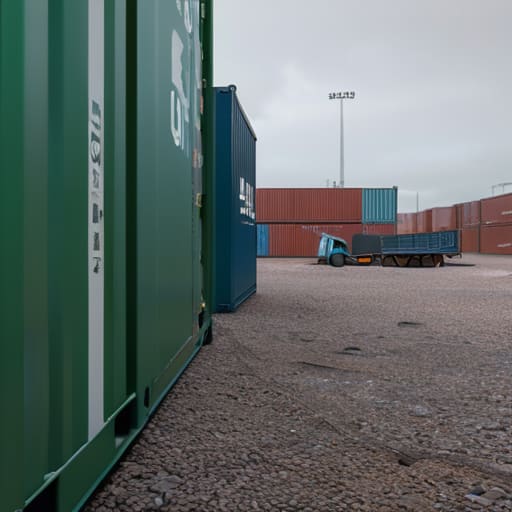
We’ve all been there: you’re staring at a dashboard that shows a green checkmark next to a shipment, giving you a false sense of security through automated status updates. The system says the goods have cleared customs, so you breathe a sigh of relief. But then you call the freight forwarder, and they tell you the container is actually sitting in a yard three miles away, waiting for a chassis that hasn’t been assigned. This is the fundamental disconnect. A digital ping doesn’t mean the physical reality has caught up; it just means a sensor or a clerk clicked a button.
True end-to-end visibility isn’t about how many blinking lights you have on your screen; it’s about whether those lights are lying to you. I’ve seen countless procurement teams rely on performance metrics tracking that looks flawless on a monthly report, only to realize too late that the “on-time” delivery actually included three days of unplanned warehousing that nobody bothered to log. If your data doesn’t account for the friction between the digital signal and the actual movement of goods, you aren’t managing a supply chain—you’re just managing a spreadsheet.
Five Ways to Tell if Your Visibility Data is Real or Just a Fairy Tale
- Stop trusting the “In Transit” status as a fact; treat it as a placeholder until you see a GPS ping or a carrier-verified milestone that actually matches the physical movement of goods.
- Cross-reference your supplier’s internal production schedule against the actual booking confirmation from the freight forwarder—if the dates don’t overlap, the “visibility” you’re seeing is just a projection of what they hope will happen.
- Demand visibility into the “black holes” of the journey, specifically the drayage from the port to the warehouse, because that is exactly where most of my “on-time” shipments quietly turn into “delayed” nightmares.
- Look for the delta between the scheduled arrival and the actual gate-in time at the terminal; if that gap is widening across your shipments, your visibility tool isn’t helping you manage risk, it’s just documenting your failure in real-time.
- Build your visibility protocols around “exception triggers” rather than standard updates; I don’t need an automated email telling me everything is fine, I need a notification the second a container misses its transshipment window by more than six hours.
The Three Realities of Supply Chain Visibility
Data is not a substitute for verification; a “green” status on a dashboard is meaningless if the container is sitting on a terminal in Ningbo waiting for a chassis that isn’t coming.
Visibility is only valuable if it includes the “why” behind the delay, otherwise you aren’t managing a risk, you’re just watching a disaster unfold in high definition.
True visibility must extend beyond the carrier’s GPS to include the supplier’s actual production progress, because a shipment that is “on time” to depart is useless if the goods weren’t finished on schedule.
Moving Beyond the Dashboard
At the end of the day, visibility isn’t about having a shiny dashboard filled with green icons; it’s about knowing which of those icons are lying to you. We’ve seen how automated updates can mask a container sitting idle in a terminal for three days, or how “in transit” is often just a placeholder for a shipment that hasn’t even left the factory floor. Real visibility requires moving past the surface-level data and looking for the discrepancies between what the system says and what the physical reality dictates. If you aren’t cross-referencing your digital tracking with actual milestones—like verified gate-ins or customs release documents—you aren’t actually managing your risk, you’re just watching a high-tech movie of your supply chain failing in slow motion.
Stop treating your tracking software as a crystal ball and start treating it as a tool for interrogation. The goal shouldn’t be to achieve perfect, seamless data, because in global sourcing, perfection is a myth sold by software vendors. Instead, aim for verifiable truth. Build your processes around the assumption that data will slip, lead times will stretch, and status updates will lag. When you stop chasing the illusion of real-time certainty and start building a system based on evidence-based skepticism, you stop being a victim of the supply chain and start actually commanding it.