I once sat in a humid warehouse in Vietnam, staring at forty shipping containers full of perfectly manufactured goods that were, for all intents and purposes, worthless. The product was flawless, the quality checks had passed, and the unit price was a dream—but the fine print on the packaging was a nightmare. We had assumed a “standard” layout would suffice, only to find out that how labelling requirements vary between the EU and the US isn’t just a minor technicality; it’s the difference between a profitable quarter and a massive write-off. Most suppliers will nod and tell you their artwork is “compliant” because it’s easier than actually verifying the specific regulatory nuances of your target market.
I’m not here to give you a lecture on international law or a list of vague regulatory bodies. Instead, I’m going to show you how to audit your supplier’s compliance process before the ink hits the plates. I’ll share the exact questions you need to ask to ensure you aren’t budgeting for a shipment of unmarketable rework, because in my experience, the cost of a mistake is always significantly higher than the cost of getting it right the first time.
Table of Contents
Navigating the Chaos of International Regulatory Standards

When I’m sitting in a factory in Southeast Asia or Eastern Europe, I’m not just looking at the machines; I’m looking at the artwork files on the supervisor’s screen. Most procurement teams treat international regulatory standards like a checkbox at the end of a project, but by then, it’s far too late. If your supplier tells you their artwork is “standardized for export,” they are likely lying to you, or at the very least, they don’t understand the gravity of the situation. They are treating a legal requirement like a suggestion, and that is how you end up with a container full of product that is legally unmarketable the moment it hits the port.
The real danger lies in the nuance of cross-border packaging compliance. It isn’t just about translating a manual; it’s about understanding how consumer protection laws by country dictate font sizes, symbol placement, and even the specific shade of a warning icon. I have seen shipments held in customs for weeks because a single mandatory safety mark was two millimeters too small or used the wrong regional dialect. You cannot budget for that kind of delay. If your supplier hasn’t demonstrated a granular understanding of your target market’s specific legalities, you aren’t buying a product—you’re buying a massive, expensive headache.
Why Multilingual Product Labelling Isnt Just a Translation Task
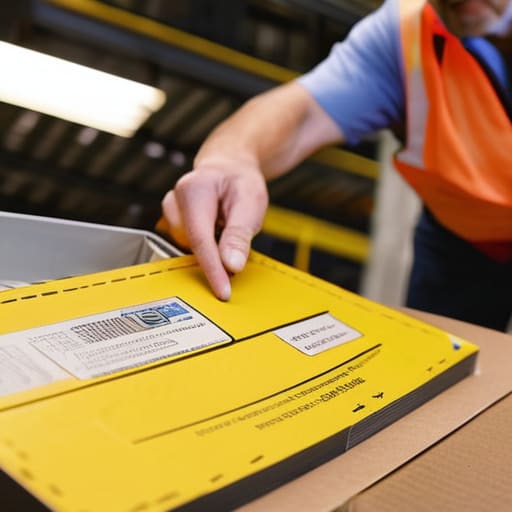
I’ve seen too many procurement teams treat multilingual product labelling as a simple Google Translate job, and it’s one of the fastest ways to turn a profitable shipment into a warehouse full of expensive scrap. Translation is about language; compliance is about intent. A supplier might get the words right, but if they miss the specific font size required by consumer protection laws by country, or if the warning symbol is the wrong shade of yellow, the shipment is effectively dead on arrival. You aren’t just paying for words on a box; you are paying for the legal right to sell that box.
When you’re managing cross-border packaging compliance, you have to look past the dictionary. I’ve stood in inspection rooms where the text looked perfect, only to realize the manufacturer had ignored the mandatory placement of regional food safety markings. If those icons aren’t in the exact geometric position specified by local regulators, your customs broker isn’t going to clear the goods—they’re going to flag them. Don’t mistake a linguistically correct label for a legally defensible one. If your supplier can’t prove they understand the spatial requirements of the target market, they aren’t ready to scale with you.
Five Ways Labeling Errors Turn a Profitable Shipment into a Warehouse Full of Junk
- Stop asking suppliers if their labels are “compliant”; ask them to show you the specific regulatory clause they are referencing. If they can’t point to the exact standard, they aren’t following a rule—they’re following a guess, and you’re the one who will pay for that guess when Customs holds your pallet in a bonded warehouse for three weeks.
- Budget for the “rework tax” by verifying font sizes and symbol dimensions before the first run. A label that looks fine on a high-resolution MacBook screen might be illegible in practice, and if the EU requires a specific millimeter height for a warning symbol that your supplier ignored, you aren’t just looking at a sticker replacement—you’re looking at a total production halt.
- Treat multilingual requirements as a technical specification, not a language exercise. A translation error is one thing, but if the local language requires specific placement of safety icons or a particular layout for ingredient lists, a “correct” translation in the wrong position is still a non-compliant product.
- Verify the traceability of the batch codes and country-of-origin markings early. I’ve seen too many shipments arrive with perfect product quality but “Made in…” markings that are either the wrong font, the wrong color, or placed in a way that violates local consumer protection laws, rendering the entire lot unmarketable.
- Demand a physical “golden sample” of the final packaging, including the label, before the mass production run begins. Don’t rely on a digital proof; I want to see how the ink reacts to the substrate and how the text holds up under actual lighting. If the label peels or the text bleeds, your “low unit price” just became the most expensive mistake of your quarter.
The Real Cost of Getting the Label Wrong
Stop treating translation as a linguistic task; it is a compliance task. If your supplier provides a “close enough” translation to save on costs, they aren’t saving you money—they are handing you a warehouse full of unmarketable stock that will require expensive, manual rework before it can touch a shelf.
Never accept “universal labeling” as a valid response to a compliance query. A supplier who claims their labels work everywhere is either lying to you or doesn’t understand your market, and either way, they are leaving you to foot the bill when customs seizes your shipment.
Build the cost of localized labeling into your initial landed cost calculations, not as an afterthought. Between regulatory updates and country-specific quirks, the “cheap” option often becomes the most expensive once you factor in the freight, duties, and the sheer administrative headache of fixing a mistake that was visible on the spec sheet months ago.
The Real Price of a Labeling Error
At the end of the day, labeling isn’t a “final step” in your production run; it is a foundational procurement risk that dictates whether your goods move through customs or sit in a bonded warehouse gathering dust. We have seen how a simple misunderstanding of local regulatory standards or a lazy, “one-size-fits-all” translation can turn a high-margin product into a massive liability overnight. If you aren’t verifying that your supplier has mapped the specific compliance quirks of your target market, you aren’t just risking a fine—you are budgeting for a massive shipment of unmarketable rework. Don’t let a $0.05 sticker become the reason your entire shipment is flagged, held, or destroyed.
Sourcing is often a game of managing optimism, but when it comes to compliance, optimism is not a strategy. You cannot wish your way through a customs audit, and you cannot negotiate with a regulatory body once your goods have arrived at the port. Build your supply chain on evidence, not on a supplier’s verbal assurance that they “know what they’re doing.” If you do the heavy lifting now—auditing the artwork, verifying the translations, and testing the compliance against the actual destination requirements—you won’t be the one sitting in a boardroom explaining why the quarterly margin just evaporated. Precision in the small things prevents catastrophe in the large ones.