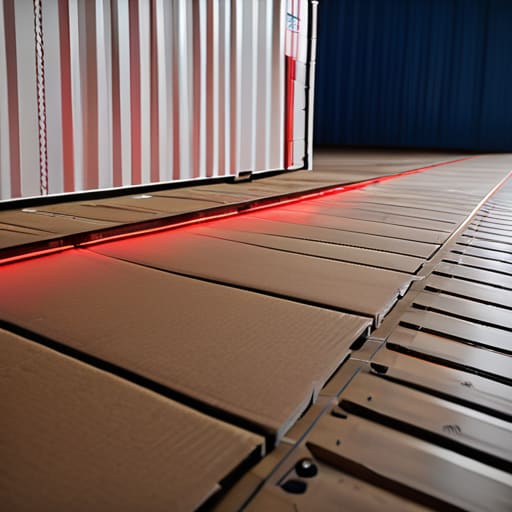
I once stood on a humid factory floor in Vietnam, watching a technician proudly demonstrate a new corrugated design that looked, on paper, like a masterpiece of structural integrity. He was talking about load-bearing capacities and compression strength, but I wasn’t looking at the diagrams; I was looking at the way the humidity was already making the edges of the sheets go soft. Most people think understanding how packaging is engineered is just about picking the right material thickness or a fancy aesthetic, but that’s a dangerous delusion. Real engineering isn’t what happens in a CAD drawing; it’s what happens when that box hits a bumpy road in a container ship or sits in a non-climate-controlled warehouse for three weeks.
In this article, I’m stripping away the sales fluff and the theoretical nonsense to show you what actually matters. I won’t be giving you a textbook lecture; instead, I’m going to show you how to audit the engineering claims your suppliers make to ensure they actually hold up in the real world. We are going to look at the intersection of material science and logistical reality, focusing on the specific technical specs you need to demand so you aren’t left paying for expensive rework when your product arrives in pieces.
Table of Contents
Beyond Aesthetics Structural Design Principles That Prevent Damage
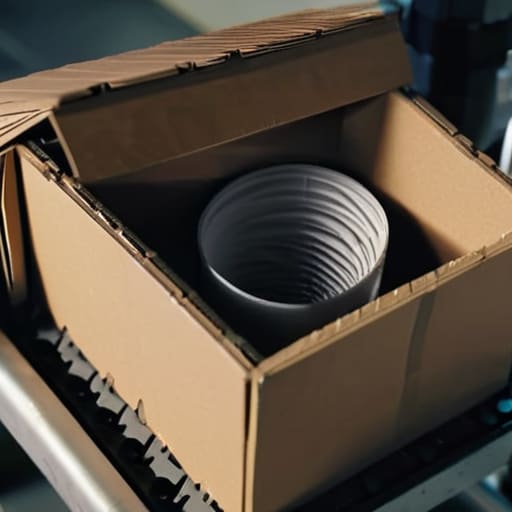
When I’m walking a factory floor, I don’t care how good the graphics look on a box; I care about what happens when that box is at the bottom of a stack in a humid shipping container. Most people treat packaging as a marketing expense, but I view it through the lens of material science in packaging. If your supplier is quoting you a lower price by switching to a thinner flute or a less resilient polymer, they aren’t saving you money—they are gambling with your margin. You need to look past the surface and demand to see the data on their load bearing capacity testing. If they can’t show you how much compression that corrugated wall can take before it buckles, they haven’t engineered a solution; they’ve just designed a pretty coffin for your product.
True structural integrity is about anticipating the chaos of the transit cycle. This means moving beyond simple aesthetics to focus on packaging durability analysis that accounts for real-world variables like vibration, moisture, and stacking pressure. I’ve seen too many “cost-optimized” designs fail because the engineers forgot that a package doesn’t live in a vacuum—it lives in a supply chain. If the structural design principles don’t account for the specific stresses of your logistics route, you’ll end up paying for the damage in rework and returns rather than in the initial unit price.
Material Science in Packaging Why Cheap Specs Fail
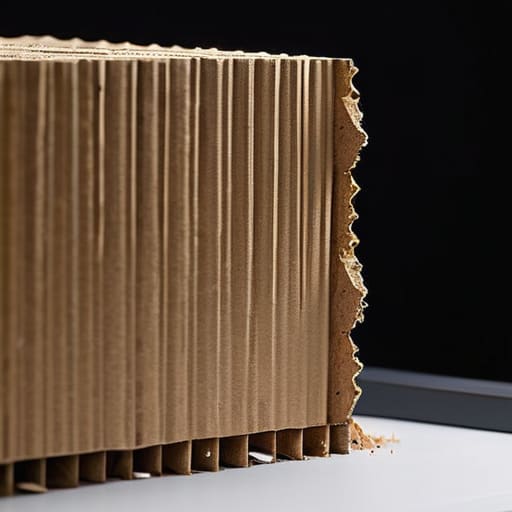
I’ve sat in enough factory inspection rooms to know that a spec sheet is often just a polite fiction. A supplier will tell you their corrugated board meets a certain grade, but unless they can show you the actual load bearing capacity testing results for the specific humidity levels of your transit route, they are just guessing. I’ve seen “standard” cardboard turn into wet noodles the moment it hits a container in a tropical port, turning a high-margin product into a total loss before it even clears customs.
When you talk about material science in packaging, you aren’t just discussing the thickness of a wall; you are discussing the chemical integrity of the barrier. If you are sourcing for electronics or food, a “good enough” moisture barrier is a lie that will haunt your quality control team three months later. I don’t care how much you save on the unit price if the protective barrier properties fail during a standard sea freight transit. If the supplier cannot provide the technical data sheets to back up their claims, I don’t view it as a discount—I view it as a massive, unbudgeted risk.
Five Engineering Realities Your Supplier Won't Volunteer
- Demand the compression test data, not just a brochure; if they can’t prove the burst strength of the corrugated walls under stacked load conditions, you aren’t buying protection, you’re buying a gamble.
- Audit the moisture content specifications for your liners and pallets, because a “waterproof” spec is meaningless if the supplier’s warehouse is a humidity trap that compromises the structural integrity before the container even hits the port.
- Verify the coefficient of friction for your internal packaging; if the engineering doesn’t account for how much your product will slide during a sudden braking event in transit, your “securely packed” goods will arrive as a chaotic pile of damage.
- Stop accepting “standard” thicknesses as a default and demand a tolerance range; if a supplier promises a 2mm wall but delivers 1.8mm, that microscopic deviation scales into massive volumetric inefficiencies and crushed corners once you’ve stacked a full pallet.
- Force a review of the vibration attenuation specs for high-sensitivity components, because a supplier who only talks about drop tests is ignoring the constant, low-frequency fatigue that actually shakes electronics to death during a three-week ocean transit.
The Procurement Reality Check: Three Hard Lessons in Packaging Engineering
Stop treating packaging as a commodity; if your supplier is quoting based on “looks” rather than structural load-bearing data or burst strength specs, they aren’t selling you a solution, they’re selling you a future insurance claim.
A low unit price is a hollow victory if the material science is substandard; always demand the technical data sheets for the corrugated flute or the polymer density, because “good enough” is what causes a shipment to arrive as a pile of crushed debris.
True engineering is measured by the landed cost, not the purchase order; if the packaging isn’t designed to survive the specific stacking patterns and humidity levels of your actual transit route, you’ll end up paying for the product twice—once to buy it, and once to replace the damaged units.
The Bottom Line on Engineered Packaging
At the end of the day, good packaging engineering isn’t about finding the thinnest possible cardboard or the cheapest polymer to satisfy a spreadsheet. It is about the intersection of structural integrity and material science working in concert to protect your margin. We’ve looked at how design principles prevent transit damage and why cutting corners on material specs is a fast track to a massive rework bill. If you aren’t looking at the total landed cost—including the cost of the damaged goods, the customer service headaches, and the wasted freight—then you aren’t actually managing your procurement; you’re just gambling. Engineering is the difference between a product that arrives ready for sale and a product that arrives as a liability.
Stop treating packaging as an afterthought or a mere commodity to be squeezed for every cent. When you treat it as a critical component of your supply chain, you shift from a reactive stance to a proactive one. It requires a healthy dose of skepticism toward “optimized” quotes and a demand for actual testing data rather than optimistic promises. Build your specifications on evidence, not claims, and you will find that the most expensive packaging is almost always the one that failed when you needed it most. Invest in the engineering now, or pay for the failure later.