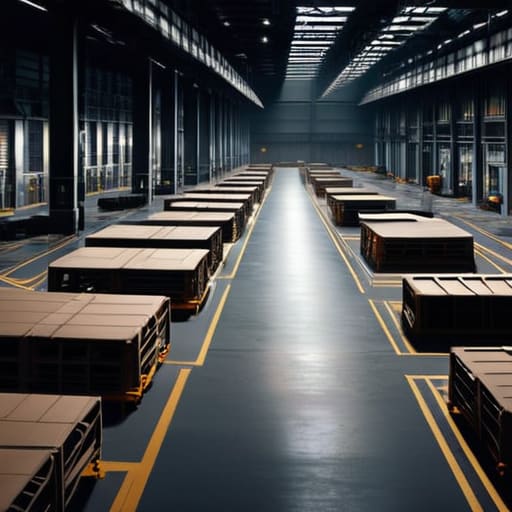
I still remember standing on a humid factory floor in Guangdong, looking at a pristine, ISO-certified quality manual hanging on a bright white wall, while the actual production was happening in a dim, cramped shed three streets away. The sales rep had smiled, shook my hand, and promised my order was being handled by their “dedicated lines.” That was my first real lesson in how subcontracting hides risk; it’s not always a shady back-alley deal, but often a polished lie wrapped in a professional quote. When a supplier offloads your components to a shadow workshop just to protect their margin, they aren’t just outsourcing labor—they are outsourcing your quality control to someone you haven’t even vetted.
I am not here to give you a theoretical lecture on supply chain resilience or academic theories on vendor management. I’m going to tell you what actually happens when your “primary” supplier hits capacity and starts quietly feeding your parts to unmapped third parties. I will show you how to spot the red flags in a quote, how to ask the questions that make a dishonest manager sweat, and how to ensure that the factory you audited is the same one actually running the machines.
Table of Contents
The Transparency Gap Why Operational Visibility in Outsourcing Fails
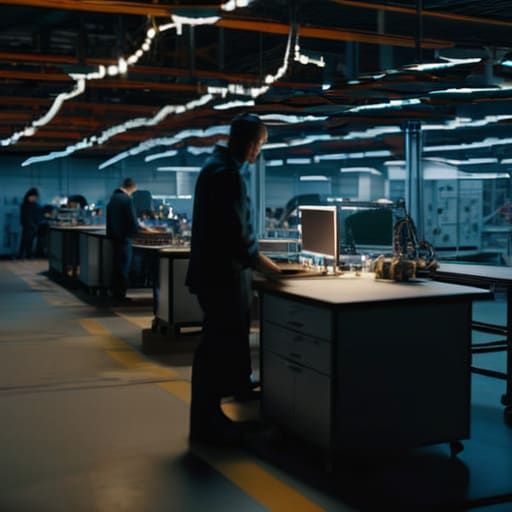
The problem with most “factory audits” is that they are snapshots of a performance, not a map of a process. You walk into a facility, see the clean floors and the organized workstations, and check the boxes. But a factory’s capacity is a finite thing. When that capacity is exceeded—either by a sudden surge in your order volume or a poorly managed production schedule—the floor doesn’t just slow down. It starts leaking. This is where operational visibility in outsourcing breaks down entirely. You think you are monitoring one set of skilled workers, but you are actually managing a ghost layer of capacity that you didn’t approve and can’t audit.
This gap creates a vacuum where unauthorized subcontracting consequences begin to fester. By the time you realize your components were actually finished in a cramped, uncertified workshop three towns over, the damage is already baked into your lead time. You aren’t just dealing with a lack of oversight; you are facing hidden liabilities in subcontracting agreements that no amount of paperwork can fix once the goods are in transit. You can’t audit a shadow workshop from your desk, and by then, the “savings” on your unit price are being eaten alive by the inevitable rework.
The Quality Mirage Broken Quality Control in Multi Tier Supply Chains

When I used to walk factory floors in Southeast Asia, I learned that a pristine quality manual hanging in the front office is often just a prop. The real test happens when you look at the machines. If a supplier tells you they are running your order on their own lines, but you notice their raw material inventory is suspiciously low for the volume they’ve promised, you aren’t looking at a capacity issue—you’re looking at a hand-off. This is where quality control in multi-tier supply chains fundamentally breaks down. You aren’t just buying a product; you are buying the factory’s ability to maintain standards across every link in their shadow network.
Once an order is offloaded to an unvetted workshop, your original specifications effectively vanish. These secondary sites rarely have the same calibration tools or skilled operators, turning your precision component into a gamble. This is one of the most dangerous unauthorized subcontracting consequences: you end up paying for a Tier 1 standard but receiving Tier 3 results. By the time the defect is spotted during inbound inspection, the damage to your production schedule is already done.
Five Ways to Spot the Shadow Workshop Before the Shipment Fails
- Audit the floor, not the files. A factory’s quality manual might look pristine in a PDF, but if the machine operators can’t explain the tolerance specs for your specific part, your order is likely being offloaded to a neighbor’s garage.
- Demand a “No-Subcontracting” clause with teeth. A standard contract is just paper unless it includes the right to unannounced site visits and clear financial penalties for unauthorized production shifts.
- Watch the capacity-to-workforce ratio. If a supplier quotes you a lead time that seems too good to be true relative to their known headcount, they aren’t working overtime; they are likely outsourcing your components to a tier-two shop.
- Track the raw material trail. If a supplier claims they are using premium grade resin but their procurement logs show erratic, low-volume purchases, they are likely supplementing your “high-spec” run with cheaper, unverified scrap from a sub-vendor.
- Map the “Invisible” Lead Time. When a supplier says a part is “in production,” ask for the specific work center it is currently sitting in. If they can’t tell you if it’s at the milling stage or the finishing stage, they haven’t actually started it yet.
The Cost of Ignoring the Paper Trail
Stop treating a low unit price as a fact; treat it as a hypothesis that requires validation through physical audits and production scheduling checks.
If your supplier cannot name their primary sub-tier providers, assume they are already subcontracting your order to an unvetted shadow workshop.
Build your landed cost models around the reality of rework and delays, because the money you “save” on the initial quote is usually just a loan you’ll have to pay back with interest when the shipment arrives defective.
The Cost of Playing Guesswork
At the end of the day, subcontracting isn’t just a logistical hiccup; it is a fundamental breakdown of the contract you thought you signed. When you vet a factory, you are vetting their machines, their people, and their specific processes. The moment they pass your production to an unvetted third party to meet a deadline or protect a margin, that entire foundation of evidence-based trust evaporates. You aren’t just losing visibility into where your goods are being made; you are losing control over the quality, the compliance, and the very integrity of your landed cost. If you aren’t looking at the actual floor where the work happens, you aren’t managing a supply chain—you are managing a series of expensive assumptions.
Stop looking for the lowest unit price and start looking for the most transparent partner. A supplier who is willing to say “no” to an impossible lead time is worth ten times more than the one who says “yes” and then quietly offloads your order to a shadow workshop. Real procurement isn’t about finding the perfect deal; it’s about building a chain that can actually withstand the weight of reality. Do the work now—the audits, the site visits, the hard questions—because the price of being wrong is always significantly higher than the cost of being thorough.