
I once stood in a brightly lit factory office in Vietnam, clutching a “Grade A” compliance report that looked perfect on paper, while the air outside smelled faintly of chemical runoff and the workers’ eyes told a completely different story. It is the great industry delusion: believing that a stamped certificate is a substitute for actual oversight. Most people think they are managing risk when they hire a third-party firm, but they are often just paying for a polished veneer. If you want to understand how social audits work and fail, you have to stop looking at the colorful charts and start looking at the gaps between the paperwork and the reality on the production floor.
I am not here to sell you on a new compliance software or a more expensive consultancy package. Instead, I’m going to pull back the curtain on the theater of auditing and show you what a clean report actually hides. I will share what I’ve learned from nineteen years of seeing the same shortcuts taken, from coached interviews to double-bookkeeping, so you can learn to spot the red flags before they become a headline.
Table of Contents
The Illusion of Compliance via Announced Audits
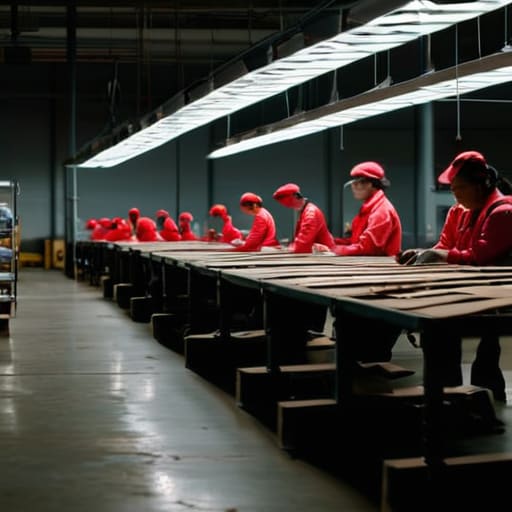
If you tell a factory manager you are coming on Tuesday, do not expect to see the reality of their operation; expect to see a stage production. An announced audit is essentially a dress rehearsal where every worker has been briefed on the “correct” answers and every safety hazard has been swept under a rug—or more accurately, hidden behind a locked door. This is one of the most common factory audit loopholes I’ve encountered in nineteen years. When a facility knows the auditor is coming, they can suddenly produce those missing training logs and ensure the fire exits aren’t blocked by pallets of raw material.
The problem with relying on these scheduled visits is that you aren’t measuring compliance; you are measuring the factory’s ability to perform. This creates a massive gap in your corporate social responsibility monitoring, where the paperwork looks pristine but the actual working conditions remain volatile. If you want to see how a plant actually breathes, you have to look at the friction points that only appear when no one is watching. A clean report from an announced visit is often just a well-rehearsed lie.
Hidden Factory Audit Loopholes That Mask Real Risk

The most common factory audit loopholes aren’t found in the legal fine print, but in the “shadow” operations that exist just out of sight. I’ve seen it happen repeatedly: a factory presents a pristine facility for the auditor, complete with organized workstations and updated safety logs, while the actual production is being sub-contracted to a smaller, unmonitored workshop down the road to meet a deadline. This is where supply chain compliance issues truly take root. When you rely solely on a scheduled visit, you aren’t auditing the supplier; you are auditing their ability to stage a performance.
Then there is the issue of “double bookkeeping.” It is a classic tactic where a facility maintains two sets of records—one for the auditor that shows perfect overtime hours and wage compliance, and the real one that tracks the actual, grueling shifts required to hit your delivery date. These ethical sourcing challenges are nearly impossible to catch if you are only looking at the paperwork provided in a controlled environment. If your monitoring strategy doesn’t account for these discrepancies between the digital trail and the physical reality on the floor, you aren’t managing risk—you’re just documenting a lie.
Five Ways to See Past the Audit Paperwork
- Stop treating the audit report like a certificate of health; treat it like a snapshot of a stage play. If the auditor only sees the factory when they’ve been given three weeks’ notice, they aren’t seeing operations—they are seeing a performance. You need to look for the “rehearsed” answers in worker interviews, where everyone suddenly remembers the exact same safety protocols.
- Look for the discrepancy between the production logs and the payroll. A factory can show you a pristine set of official timecards that say everyone works forty hours a week, but if the output volume on those days doesn’t mathematically match the man-hours logged, you aren’t looking at compliance—you’re looking at unrecorded overtime and a massive hidden risk.
- Verify the “ghost” subcontractors. A common way audits fail is when the primary factory passes every check, but then quietly subcontracts the most complex or labor-intensive parts of your order to a smaller, unregulated workshop down the road to meet a deadline. Always ask to see the raw material trail; if the inputs don’t match the factory’s stated capacity, the work is being sent elsewhere.
- Check the physical reality against the digital record. If the quality manual on the wall says every component undergoes a three-point inspection, but the floor is littered with unboxed, un-inspected parts waiting for a shift change, the manual is just decor. An audit that doesn’t involve watching a single process from start to finish is just a glorified paperwork check.
- Watch for the “Sanitized Floor” syndrome. If a factory looks suspiciously perfect—no scrap bins, no blocked fire exits, and every worker in brand-new PPE—it’s a red flag. Real manufacturing is messy. A floor that is too clean suggests they’ve spent more time cleaning for the auditor than they have on maintaining actual operational safety.
Beyond the Checklist: What Actually Matters
Stop treating a social audit as a certificate of excellence; treat it as a high-stakes interrogation where the goal is to find the discrepancies between the HR files in the office and the actual reality on the shop floor.
If you are only running announced audits, you aren’t auditing the factory—you are auditing their ability to stage a performance, which is a very different and much more expensive skill set.
Real risk mitigation happens in the gaps—the unrecorded overtime, the subcontracting to unauthorized facilities, and the safety protocols that only exist when the auditor is standing in the doorway.
Stop Auditing for Compliance and Start Auditing for Reality
At the end of the day, a stack of signed certificates and a clean social audit report are just pieces of paper. They don’t tell you if the workers are actually being paid overtime or if the safety protocols are being ignored the moment the auditor walks out the front gate. If you are relying solely on scheduled visits and polished paperwork to vet your partners, you aren’t managing risk; you are merely managing your own ignorance. We have to move past the idea that a “pass” grade equals a safe supply chain. Real visibility comes from understanding the gaps between the official quality manual on the wall and the actual behavior on the factory floor.
My advice? Stop looking for a perfect supplier and start looking for a transparent one. You will never find a factory that operates without friction, but you can certainly find one that is honest about its challenges. The goal isn’t to find a partner who can pass an inspection; it is to build a relationship where the truth is more important than the report. When you stop chasing the illusion of a flawless audit and start demanding evidence of operational integrity, that is when you actually begin to build a resilient, sustainable business.