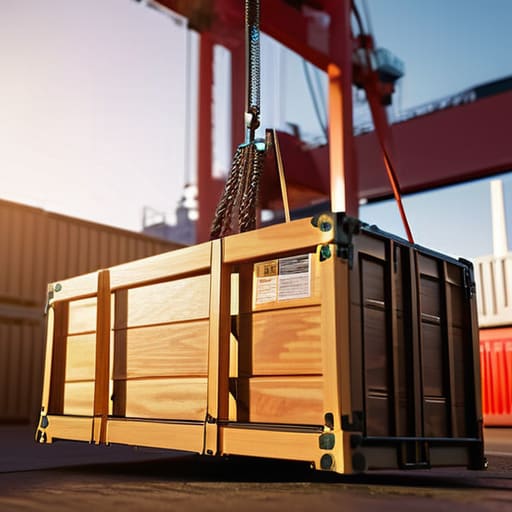
I once stood on a humid factory floor in Guangdong, watching a supervisor promise me that a shipment of precision components would be ready in three weeks, all while I could see the raw material pile in the corner hadn’t even been unrolled from the pallet yet. It is that specific brand of optimistic lying that most “experts” fail to warn you about in a complete guide to importing for the first time. Most guides will tell you to find a good supplier and negotiate a price, but they won’t tell you that a low unit price is often just an unverified claim that leaves you footing the bill for rework and delays later.
I am not here to sell you on the dream of effortless global sourcing; I am here to give you the reality of it. In this guide, I am stripping away the fluff to show you how to qualify a factory before your capital is on the line, how to spot the red flags in a lead time that looks too good to be true, and how to calculate a true landed cost that actually protects your margins. I’ve been burned by every shortcut in this industry, so you don’t have to be.
Table of Contents
Sourcing International Suppliers Without Falling for False Claims

When you start sourcing international suppliers, the first thing you’ll notice is that everyone has a glossy brochure and a “gold standard” certification. I’ve spent enough time on factory floors to know that a certificate hanging in a lobby means nothing if the actual production line is running on prayer and outdated machinery. You have to move past the sales pitch and look for the friction points. Don’t just ask if they can meet your specifications; ask them to show you the raw material test reports from their last three batches. If they hesitate or offer a vague “we’ll handle that,” they are likely masking a lack of process.
Real qualification happens when you stop listening to what they promise and start looking at what they can prove. A supplier might claim they have mastered international shipping logistics, but if they can’t explain how they manage their sub-tier component shortages, your lead times are already in danger. I always look for the gap between their capacity on paper and their actual floor utilization. If a quote looks too good to be true, it usually is—because they haven’t factored in the quality control buffers you’ll eventually have to pay for yourself.
Incoterms Explained for Importers Why You Must Own the Risk
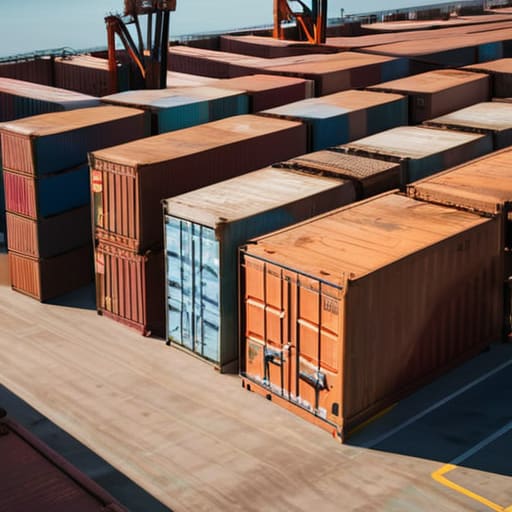
Most beginners treat Incoterms like a minor footnote in a contract, a bit of legal jargon to be glossed over once the unit price is agreed upon. That is a mistake that costs people their entire margin. When I see a quote that says “FOB” or “EXW” without a clear understanding of where the supplier’s responsibility ends and mine begins, I see a massive, unquantified risk. If you are operating under EXW (Ex Works), you aren’t just buying goods; you are taking on the entire burden of international shipping logistics from the moment the box leaves the factory floor. You own the risk of the truck not showing up, the container being damaged at the port, and the complexities of the initial transit.
You need to understand that Incoterms aren’t just about who pays for the freight; they are about the transfer of risk. If you haven’t mastered incoterms explained for importers, you might think you’ve secured a great deal, only to find yourself staring at a massive bill for unexpected port storage fees or broken cargo. I always tell my trainees: never sign off on a shipment until you know exactly who is managing the customs clearance procedures and, more importantly, who is liable when things inevitably go sideways in transit.
Five Realities They Don't Teach You in the Sourcing Manual
- Stop treating lead times as a fixed date; treat them as a range that starts the moment the deposit clears and ends when the goods actually clear customs. If a supplier promises a 30-day turnaround without mentioning their raw material buffer, they aren’t being efficient—they’re being optimistic, and you’re the one who will pay for that optimism when your stockout hits.
- Demand a sample that is actually produced on the production line, not a “golden sample” hand-crafted by an engineer in a clean room. I have seen too many first-time importers get blinded by a perfect prototype, only to realize six weeks later that the mass-produced version is a different species of quality entirely.
- Build a “failure contingency” into your landed cost calculation. If you haven’t budgeted for a 5% defect rate or the extra freight costs of an emergency air shipment to cover a production delay, your margins aren’t real—they’re just theoretical.
- Audit the floor, not the paperwork. A factory can have a beautiful ISO certification hanging in the lobby, but if the machines are leaking oil and the operators are bypassing safety protocols to hit targets, your quality manual is just expensive wall decor. You need to see how they handle a mistake, not just how they present their successes.
- Never, under any circumstances, let the unit price be the only metric in your decision matrix. A low price is just a claim; I want to see the evidence of their capacity, their sub-supplier stability, and their ability to scale without collapsing. A cheap part that arrives three weeks late is the most expensive item in your warehouse.
The Three Hard Truths of Your First Import
A low unit price is nothing more than a supplier’s unverified claim; unless you have factored in the duty, the freight, and the buffer for inevitable rework, you haven’t calculated a cost—you’ve just made a guess.
Never mistake a polished quality manual on a factory wall for actual capability; true qualification happens when you see if the operators’ daily habits actually match the paperwork you were sent.
Lead times are not fixed dates but moving targets; if a supplier provides a timeline without a clear breakdown of production stages and shipping buffers, they aren’t giving you a schedule, they’re giving you an optimistic wish.
The Reality of the First Shipment
If you take anything away from this guide, let it be this: importing is not a game of finding the lowest number on a spreadsheet; it is a discipline of managing risk and verifying truth. You have learned that a supplier’s word is merely a starting point, that Incoterms dictate who holds the bag when things go sideways, and that your true margin lives or dies in the details of your landed cost. Do not let the excitement of a new product distract you from the mechanics of the movement. Before you wire a single cent, ensure you have looked past the glossy factory photos and scrutinized the actual capacity, the shipping timelines, and the hidden costs of duty and freight. Evidence is the only currency that matters when you are halfway across the world from your production line.
Transitioning from a local buyer to an international importer is a steep learning curve, and yes, you will likely make a mistake. You might face a delayed shipment or a batch that requires more rework than you budgeted for. But remember, these aren’t just failures; they are the tuition fees for your real-world education. The goal isn’t to find a perfect, risk-free supply chain—because those don’t exist—but to build one that is resilient enough to survive the friction. Stay methodical, stay skeptical, and always, always check the manifest. You are no longer just buying products; you are building a business that can withstand the reality of global trade.