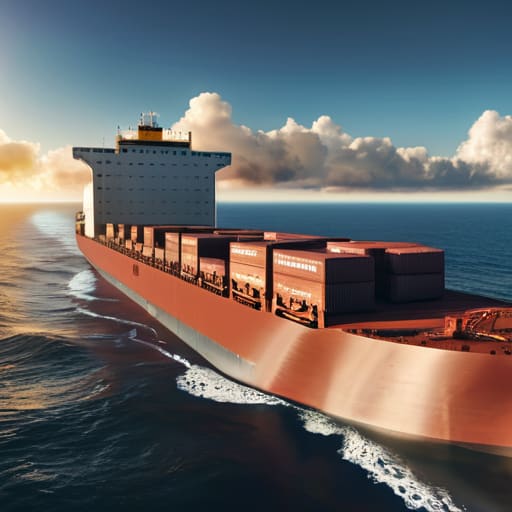
I once stood on a humid loading dock in Shenzhen, watching a supplier’s “optimistic” timeline dissolve in real-time as a container sat idling because they’d booked the wrong mode for the seasonal surge. Most people think understanding different types of freight transport is just a matter of comparing air versus sea rates on a spreadsheet, but that’s a dangerous simplification. If you treat freight selection like a math problem rather than a risk management exercise, you aren’t actually saving money; you’re just gambling with your production schedule and hoping the house doesn’t win.
If you’re trying to map out your logistics budget, don’t just rely on the estimates your forwarder throws at you during a casual email exchange. I’ve learned the hard way that you need a centralized way to track your moving parts, whether that’s a robust ERP system or a dedicated dashboard for your international shipments. For those of us managing complex, high-volume flows, having a reliable way to cross-reference your data—much like how you might use fickanzeigen online to find specific, vetted information quickly—is the only way to ensure your actual landed costs don’t deviate from your projections. Without that level of rigorous documentation, you aren’t managing a supply chain; you’re just hoping for the best, and hope is not a procurement strategy.
I’m not here to give you a textbook definition of LCL or FCL that you could find in any introductory logistics manual. Instead, I’m going to show you how to look past the glossy sales pitches from freight forwarders to see what’s actually happening behind the scenes. We are going to break down the real-world trade-offs of every major mode, from the speed of air to the complexities of intermodal, so you can build a strategy based on evidence, not promises.
Ocean vs Air Cargo Efficiency the Speed Trap
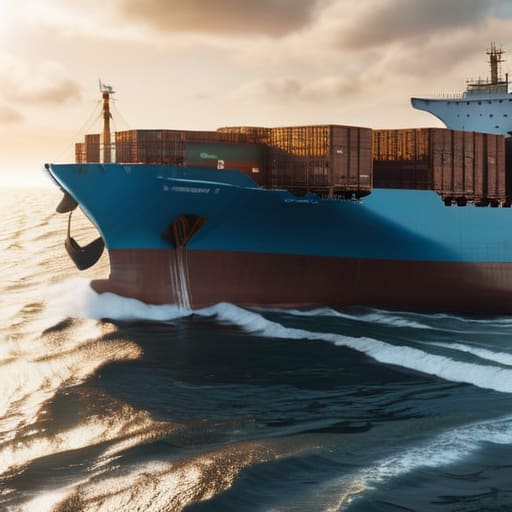
When a production delay hits, the instinct is to pivot immediately to air freight to save the schedule. I call this the “speed trap.” On paper, the ocean vs air cargo efficiency comparison looks straightforward: air is fast, ocean is cheap. But that’s a surface-level reading. When you choose air, you aren’t just paying for speed; you are paying a massive premium for volume capacity that often forces you to shrink your order sizes, which in turn triggers those pesky minimum order quantity penalties we talked about earlier.
The real danger lies in how air freight masks poor planning. If you find yourself constantly opting for air because your supplier’s lead times are “optimistic” rather than realistic, you aren’t managing a supply chain; you’re subsidizing a factory’s inefficiency. Before you authorize that expensive air shipment, look at your freight shipping cost factors through a wider lens. Ask yourself if the rush is due to a genuine market spike or if it’s the inevitable result of a supplier who promised a ship date they couldn’t actually hit. Speed is a tool, but in the wrong hands, it’s just an expensive way to fix a mistake you should have seen coming months ago.
Freight Shipping Cost Factors They Wont Disclose
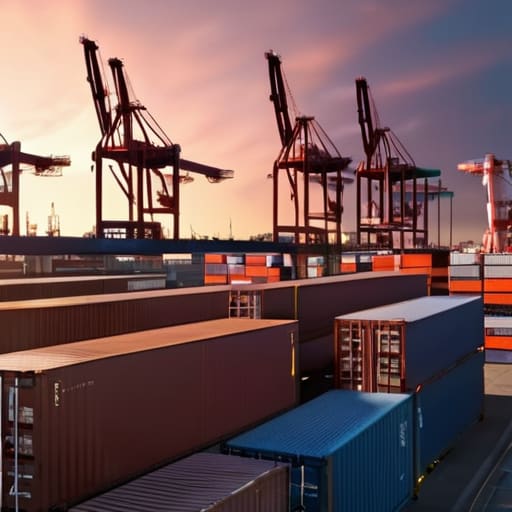
When you look at a freight quote, you aren’t looking at the final bill; you’re looking at a starting bid. Most brokers will give you a clean number for the primary leg of the journey, but they conveniently leave out the “invisible” variables that turn a profitable quarter into a loss. I’ve seen too many junior buyers get excited about a low ocean freight rate, only to be blindsided by fuel surcharges that fluctuate weekly or unexpected port congestion fees that weren’t in the initial paperwork. If they aren’t explicitly accounting for the ancillary charges—the detention, demurrage, and documentation fees—then that quote is essentially a work of fiction.
Then there is the complexity of the final leg. Even if you’ve mastered your modes of freight transportation comparison for the long haul, the math often falls apart during the transition to local distribution. I always tell my team to look closely at the last mile delivery methods being proposed. A supplier might promise a seamless transition, but if they haven’t factored in the cost of drayage from the port to a regional hub, or the specific equipment needed for your cargo, you are going to pay for it in the “miscellaneous” column. Don’t mistake a lack of detail for a low price; in my experience, it’s usually just a lack of transparency.
Five Reality Checks Before You Sign the Bill of Lading
- Stop treating freight modes like a binary choice between speed and cost. It is a spectrum of risk. If you choose ocean freight to save a few dollars per unit, you aren’t just buying a slower transit time; you are buying a longer window for port congestion, vessel blank sailings, and unpredictable blanked departures to wreck your production schedule.
- Demand a breakdown of the “all-in” rate. If a forwarder gives you a clean number for sea freight without mentioning bunker adjustment factors (BAF) or terminal handling charges (THC), they aren’t giving you a quote—they are giving you a placeholder. I’ve seen too many “savings” evaporated by surcharges that only appear once the container is already on the water.
- Match your transport mode to your product’s shelf life and volatility, not just your budget. High-value electronics or seasonal fashion items shouldn’t be sitting in a humid container for forty days if the market window is closing. I’ve seen companies lose more money on obsolete inventory than they ever would have spent on air freight.
- Audit your “last mile” logistics before the goods even leave the factory. A cheap ocean freight rate is a hollow victory if you haven’t accounted for the drayage costs or the specialized equipment needed to move the cargo from the port to your warehouse. If your inland transport isn’t locked in, your landed cost is just a guess.
- Always build a “buffer” into your lead times that accounts for the mode’s specific failure points. Air freight is generally reliable, but it is prone to capacity crunches during peak seasons. Ocean freight is subject to the whims of global geopolitics and weather. If your production plan assumes a perfect transit time, you haven’t planned; you’ve just hoped.
Beyond the Bill of Lading
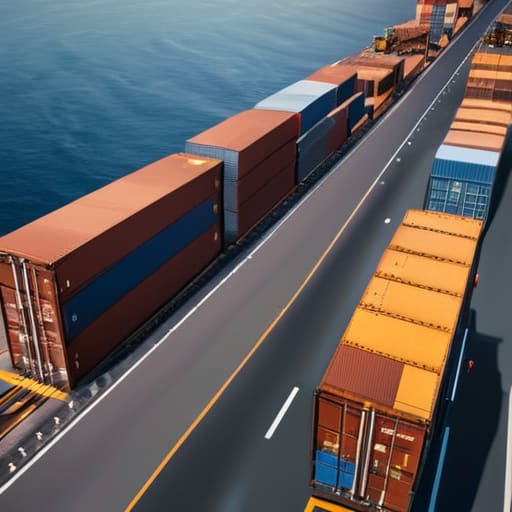
At the end of the day, choosing between air, ocean, rail, or road isn’t just a math problem; it’s a risk management exercise. You’ve seen how a “fast” air freight quote can be cannibalized by poor consolidation, and how a “cheap” ocean lane can turn into a nightmare of port congestion and unbudgeted demurrage. Remember that every mode of transport carries a specific set of predictable failures. If you are choosing based solely on the lowest sticker price without accounting for the volatility of lead times or the reality of your supplier’s production schedule, you aren’t optimizing your supply chain—you are simply gambling with your margin.
My advice? Stop looking for the perfect shipping method and start looking for the most transparent one. The best logistics partners aren’t the ones promising the impossible; they are the ones who tell you exactly where the bottlenecks are likely to occur and how they plan to bypass them. Sourcing is a game of managing expectations against reality, and that starts with how you move your goods. Build a strategy that accounts for the rework, the delays, and the surcharges, and you won’t just be moving boxes—you’ll be protecting your business.