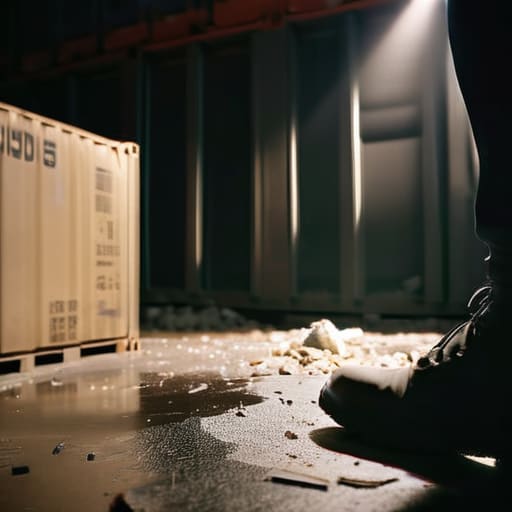
I’ve sat in enough damp warehouse offices to know that when a shipment arrives looking like it went through a rock crusher, the first thing your brain wants to do is scream at the carrier. Most people think learning how to make a cargo claim is about filling out a standard form and waiting for a check to arrive in the mail, like magic. That is a lie. I once spent three weeks fighting a freight forwarder over a crushed pallet of precision components, only to realize my “evidence” was nothing more than a handful of blurry photos and a prayer. If you think a polite email and a sense of injustice are enough to recover your margins, you are already losing the battle.
I am not here to give you a sanitized, textbook checklist that ignores the messy reality of logistics. Instead, I’m going to show you how to build a paper trail that is actually bulletproof before the container even hits the dock. We are going to talk about the specific, granular documentation that carriers actually respect, the mistakes that turn a valid claim into a dead end, and why your inspection process is the only thing standing between you and a total write-off.
Table of Contents
Shipping Damage Documentation Building Your Case Before the Carrier Denies
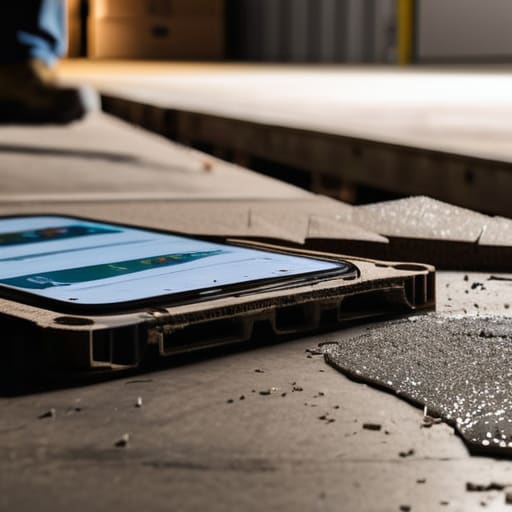
The moment you see a crushed corner or a punctured shrink-wrap, your job shifts from procurement to forensics. Most people make the mistake of calling the driver to complain, but a verbal grievance is worth nothing when the paperwork hits the carrier’s desk. You need to treat your shipping damage documentation like a crime scene investigation. This means high-resolution photos of the container seal, the pallet’s orientation, and the specific damage to the individual units before a single box is moved. If the damage isn’t noted on the Proof of Delivery (POD) at the exact moment of arrival, you’ve essentially handed the carrier a “get out of jail free” card.
I’ve seen too many junior buyers assume that a clean signature on the delivery receipt means the goods are perfect. It doesn’t. You need to check the bill of lading requirements against what is actually sitting on your dock. If the packaging looks compromised, note it clearly. I always tell my team: if it isn’t documented in ink or pixels, it didn’t happen. You aren’t just taking pictures; you are building the only shield you have against a carrier that will try to claim the damage happened in your warehouse.
The Bill of Lading Requirements You Ignored at the Loading Dock
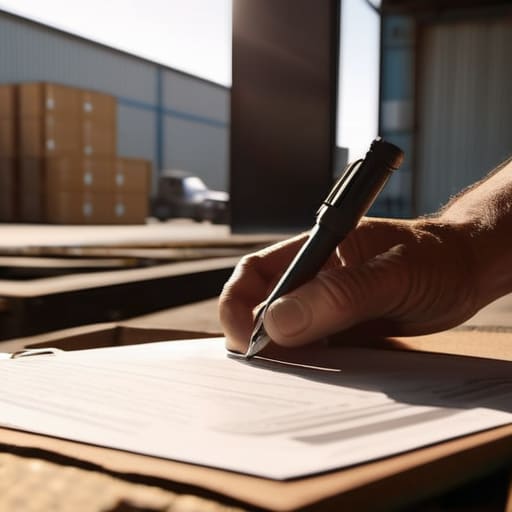
I’ve sat in enough loading docks to know that the Bill of Lading (BoL) is the most important piece of paper you’ll ever hold, and the one most people treat like a grocery receipt. When the driver is hovering and the warehouse crew is eager to get to lunch, the temptation to sign that document “clean” is immense. But if you sign for a shipment without noting visible damage or even a discrepancy in pallet counts, you aren’t just being polite—you are effectively signing a waiver that says everything arrived in perfect condition.
Once that signature is dry, the freight claim filing process becomes an uphill battle against a carrier that has zero incentive to admit fault. If the BoL doesn’t reflect the reality of the cargo at the moment of transfer, your leverage evaporates. I’ve seen procurement teams lose thousands because they failed to meet basic bill of lading requirements, specifically the duty to note “subject to inspection” or “damaged packaging” upon receipt. You have to treat that document as your primary piece of evidence; if the damage isn’t noted there, the carrier will simply claim it happened on your floor, not theirs.
Five Ways to Ensure Your Claim Doesn't Die in a Filing Cabinet
- Stop treating the driver like a friend and start treating them like a witness. When you spot damage at the dock, note it on the Proof of Delivery (POD) immediately. If you sign that paper “clean” just to get the truck moving, you’ve essentially handed the carrier a signed confession that the goods were perfect when they left their hands.
- Capture the “why,” not just the “what.” A photo of a crushed box is fine, but a photo showing the crushed box sitting next to a poorly secured pallet or a leaking container wall is better. You need to prove the causality, otherwise, the carrier will just claim it was “inherent vice” or poor packaging on your end.
- Audit your packaging specs against reality. If your claim gets rejected because the internal dunnage was insufficient, that’s on you, not the freight forwarder. I’ve seen dozens of claims fall apart because the manufacturer used single-wall cardboard for a sea freight journey that required double-wall reinforced corrugated—it’s a hard lesson in why “standard” isn’t always “sufficient.”
- Keep a dedicated “Claim Folder” for every single shipment, not just the broken ones. You need to be able to pull the original commercial invoice, the packing list, and the weight certificates in seconds. If you’re scrambling to find the weight of the shipment three weeks after the incident, you’ve already lost the momentum needed to win the argument.
- Watch the clock, because the carrier isn’t waiting for you. Most contracts have incredibly tight windows for “apparent damage” versus “concealed damage.” If you wait until your warehouse team does a full inventory count a month later to report a shortage, don’t be surprised when the carrier laughs at your notification.
The Hard Truths of Recovering Your Costs
If it isn’t noted on the POD (Proof of Delivery) at the exact moment the driver is standing there, it didn’t happen; “we’ll file a claim later” is just a polite way of saying you’re eating the loss.
Stop looking at the unit price of the damaged goods and start calculating the total cost of the disruption—if a broken pallet of components halts your entire assembly line, the carrier’s limited liability won’t cover the nightmare you’re actually facing.
A claim is only as strong as your paper trail, so if you haven’t cross-referenced your packing list against the actual physical count and the damage photos, you aren’t filing a claim, you’re just sending a suggestion.
The Cost of Being Unprepared
At the end of the day, a successful cargo claim isn’t about how loudly you complain to your freight forwarder; it is about the quality of your evidence. If you haven’t meticulously documented the damage the moment it hit the dock, if your Bill of Lading wasn’t noted correctly, and if your paper trail has gaps large enough to drive a container ship through, you might as well write the loss off as a sunk cost right now. You cannot retroactively fix a lack of diligence once the carrier’s legal team has already decided your claim is a statistical impossibility. Remember, the goal isn’t just to report a problem, but to build a fortress of proof that makes it too expensive for them to say no.
I know it feels like a massive administrative headache, especially when you are already dealing with the fallout of a broken supply chain and angry customers. But in this industry, your competence is measured by how you handle the failures, not just the smooth sailings. Don’t let a carrier’s mistake become your company’s permanent deficit. Treat every claim as a masterclass in operational discipline. If you tighten your processes now, you aren’t just recovering lost funds; you are building the resilience that separates a professional procurement operation from a hobbyist playing with someone else’s money.