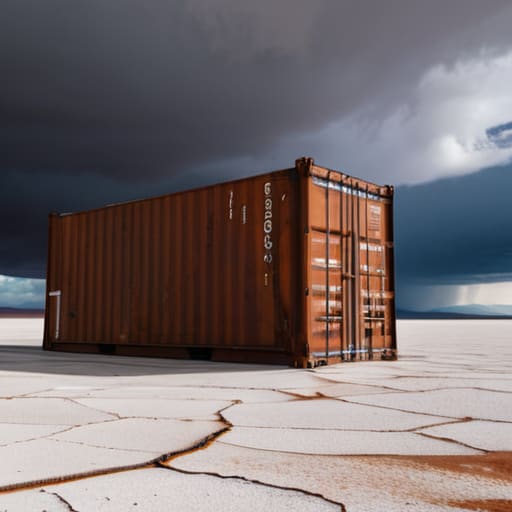
I still remember the heat in that warehouse in Chittagong, the smell of diesel and salt air, and the sinking feeling in my gut when I realized our entire quarterly buffer was sitting at the bottom of a shipping container that had just been breached in a storm. Most people think they understand how cargo insurance works because they saw a line item on a freight quote and checked a box, but let me tell you: that little checkbox is a mirage. If you’re relying on a carrier’s standard liability to protect your margins, you aren’t actually insured; you’re just participating in a very expensive game of chance where the house always wins.
I’m not here to give you a textbook definition or a lecture on maritime law that you can find in any manual. I’m going to tell you how this actually functions when a container is dropped by a crane or a shipment of electronics gets soaked by seawater. We are going to strip away the jargon and look at the real mechanics of claims, exclusions, and the fine print that determines whether you get a payout or a polite rejection letter. I’ve been burned enough times to know exactly where the gaps are, and I intend to make sure you don’t fall into them.
Table of Contents
Why Carrier Liability Is a Math Problem You Will Lose

Most procurement managers I train make the same fatal mistake: they assume the carrier is responsible for the full value of the goods. They aren’t. Carriers operate under international conventions like the Hague-Visby Rules, which essentially cap their liability at a specific amount per package or per kilogram. Unless you are shipping a single, massive industrial turbine, that “protection” is a joke. When you crunch the numbers, you’ll realize that shipping liability vs cargo insurance isn’t even a fair fight; the carrier’s payout might cover the weight of your lost pallet, but it won’t come close to covering the replacement cost of the inventory or the lost sales.
If you rely on the carrier’s standard terms, you aren’t practicing logistics risk management—you’re playing Russian roulette with your quarterly margins. I’ve seen shipments of high-value components vanish in a transshipment hub, only for the carrier to offer a settlement that wouldn’t even cover the cost of the shipping containers themselves. Without specific cargo loss and damage protection through a private policy, you are essentially self-insuring against a catastrophe you can’t afford.
The High Price of Unprotected Cargo Loss and Damage Protection
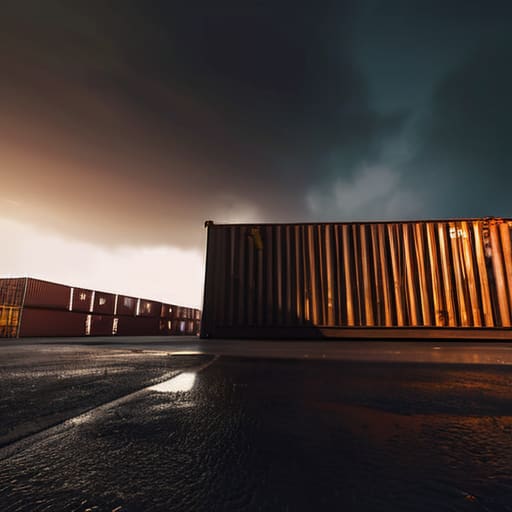
When a container goes missing or arrives looking like it was used for target practice, the immediate instinct is to call the freight forwarder and demand answers. But here is the reality: unless you have specific cargo loss and damage protection in place, you are essentially begging for scraps. Most people assume their standard shipping contract covers them, but they fail to realize that shipping liability vs cargo insurance is a fight between a legal minimum and a commercial reality. The carrier will point to their limited liability clauses—often calculated by weight, not value—and you will be left staring at a massive hole in your quarterly budget.
This isn’t just about the cost of the goods; it’s about the cascading failure of your entire supply chain. If that shipment contained a critical component for a production run, you aren’t just losing the unit cost; you are losing line uptime, customer trust, and potentially the entire contract. This is why I tell my juniors that logistics risk management isn’t an administrative checkbox—it is a defensive perimeter. You don’t buy insurance because you expect a disaster; you buy it because you know that when a disaster happens, the “savings” you found on freight will be the first thing eaten by the loss.
Five Ways to Stop Treating Cargo Insurance Like an Optional Line Item
- Stop assuming your Incoterms are a safety net; they are merely a hand-off point for risk. Just because you’ve negotiated FCA or FOB doesn’t mean you aren’t the one left holding the bag when a container goes overboard. You need to know exactly where your responsibility begins and ends, and more importantly, where the carrier’s negligible liability stops.
- Demand “All Risks” coverage rather than settling for “named perils.” If your policy only covers specific events like fire or sinking, you’re going to find out the hard way that “mysterious disappearance” or minor water damage from a faulty seal isn’t covered. In my experience, it’s the damage you can’t immediately point to a specific catastrophe for that ends up killing your margins.
- Check the valuation clause before you sign the contract. If your policy is set to pay out based on weight rather than the actual commercial invoice value, you aren’t insured—you’re just being compensated for the scrap metal value of your shipment. Always ensure the coverage is pegged to the replacement cost plus freight, not a weight-based math equation.
- Audit your supplier’s proof of insurance, not just their certificate. I’ve seen plenty of “reputable” factories hand over a beautifully formatted certificate that expired six months ago or has a coverage limit lower than the value of a single pallet. If they claim they are handling the insurance, ask to see the actual policy wording. If they hesitate, they aren’t covering you.
- Don’t skip the “Notice of Loss” window. Cargo insurance isn’t a magic wand; it’s a legal process with incredibly tight deadlines. If your warehouse team sees a crushed box and decides to “deal with it next week” instead of documenting it immediately with photos and a formal report, you have effectively handed your insurance provider a reason to deny the claim.
The Bottom Line: Don't Mistake Liability for Protection
Stop treating carrier liability as a safety net; it is a calculated legal minimum designed to protect the carrier’s margins, not your balance sheet.
A “low-cost” freight quote is a lie if it doesn’t account for the cost of your cargo insurance, because you can’t pay your suppliers with “carrier apologies” when a container goes overboard.
Real risk management means verifying that your insurance policy covers the full replacement value—including the landed costs you actually spent—rather than just the weight-based compensation the shipping line offers.
The Bottom Line on Protecting Your Margin
At the end of the day, cargo insurance isn’t a line item you can trim to make your procurement report look prettier; it is the only thing standing between a manageable operational hiccup and a total write-off. We have already looked at why relying on carrier liability is essentially a mathematical suicide mission and how the “savings” from skipping coverage evaporate the moment a container hits the ocean floor. You cannot negotiate with a shipping line when your goods are lost, and you certainly cannot explain to your CFO why a three-cent saving on freight just cost the company fifty thousand dollars in unrecovered inventory. Insurance is the price of certainty in a global supply chain that is, by its very nature, unpredictable and unforgiving.
I have spent two decades watching people try to “manage” risk through sheer willpower and optimistic spreadsheets, and I can tell you from experience: the ocean does not care about your quarterly targets. Sourcing is about more than just finding the lowest bidder; it is about building a resilient bridge from the factory floor to your warehouse door. Stop treating insurance like an optional luxury and start treating it like the fundamental component of a professional sourcing strategy that it is. Build your margins on proven protection, not on the hope that nothing goes wrong.