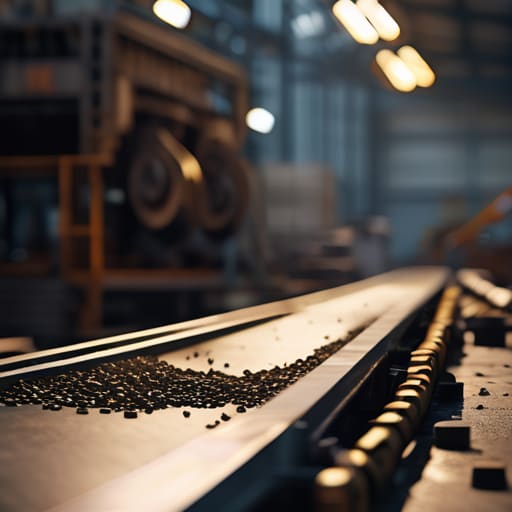
I was standing on a humid factory floor in Vietnam five years ago, watching a production line grind to a halt because a “bio-based” polymer batch had a wildly inconsistent melt flow index. The supplier had promised us the moon, claiming their new recycled feedstock was a drop-in replacement for our standard resin, but they hadn’t accounted for how that material would actually behave under high-speed injection molding. This is the messy reality behind the hype surrounding the rise of sustainable materials in production: most of what we’re being sold right now is just a marketing claim masquerading as a technical specification.
If you’re currently staring at a spreadsheet of revised landed costs and wondering why your sustainable transition is bleeding margin, you aren’t alone; most of us are just trying to figure out which variables are actually controllable. When I hit a wall with a particularly stubborn technical specification or a sudden shift in regional compliance, I find it helpful to step away from the spreadsheets and talk to people who are actually in the trenches. I’ve found that a quick pulse check with a UK chat community can often surface the real-world friction points that a supplier’s glossy brochure will never mention, saving you weeks of trial and error.
I’m not here to sell you on the virtues of saving the planet—you already know why it matters. I’m here to talk about the landed cost of idealism. In this article, I’m going to show you how to look past the glossy ESG reports and actually audit the stability of these new materials. We will discuss how to vet feedstock consistency, why “eco-friendly” often hides a massive rework budget, and how to ensure your transition to greener inputs doesn’t end with a warehouse full of unsellable scrap.
Biodegradable Raw Materials Why Your Testing Phase Is Lying to You
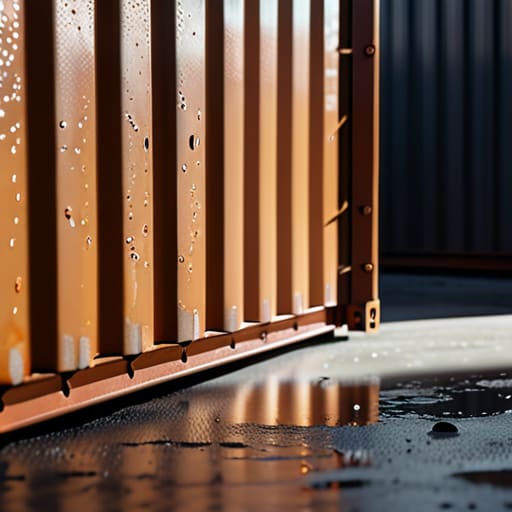
I’ve seen this play out more times than I care to count: a supplier presents a beautiful sample made from biodegradable raw materials, the lab report looks pristine, and the procurement team is ready to sign off on a massive PO. But here is the reality that the glossy brochures won’t mention: a material that performs perfectly in a controlled, temperature-stable laboratory is rarely the same material that survives a humid shipping container or a fluctuating warehouse environment. If your testing phase only looks at the material in isolation, you aren’t testing a solution; you are testing a fantasy.
The gap between a successful pilot and a scalable production run is usually found in the material stability. When we talk about renewable resource integration, we often forget that biological feedstock is inherently more temperamental than petroleum-based synthetics. I have sat in factory offices watching “eco-friendly” batches fail mid-run because the moisture content wasn’t standardized, or because the material’s structural integrity degraded during a standard heat-cycle. If your supplier cannot provide data on how these materials behave under stress—not just in a vacuum, but in your actual logistics chain—then that low unit price is just a down payment on a massive rework budget.
The Hidden Cost of Integrating Renewable Resource Integration Into Old Line
The biggest mistake I see in procurement meetings is treating renewable resource integration like a simple material swap. It isn’t. You can’t just drop a bio-based polymer into a machine calibrated for petroleum-based resin and expect the same cycle times. If your engineers haven’t accounted for the different melt flow indices or the sensitivity to humidity, your scrap rate is going to skyrocket. I’ve seen “sustainable” shifts that looked great on a spreadsheet but ended up being a disaster on the factory floor because the old lines couldn’t handle the thermal instability of the new feedstock.
When you calculate your savings, you have to look past the invoice. If you’re moving toward a circular economy in production, you need to factor in the increased downtime for recalibration and the specialized maintenance your team wasn’t trained for. A lower material cost is meaningless if you’re losing three hours of production every shift to machine jams and inconsistent extrusion. Before you sign that long-term supply agreement, ask your technical lead one question: “How much more downtime does this material require compared to our current standard?” If they can’t answer, you aren’t saving money; you’re just subsidizing a bottleneck.
Five Ways to Spot a Sustainable Supply Chain Mirage
- Demand batch-level consistency reports, not just a general certificate; if the bio-polymer’s viscosity fluctuates by more than 3% between shipments, your injection molding cycle times are going to skyrocket and your scrap rate will eat your margin.
- Stop looking at the unit price of the raw material and start calculating the “rework tax”—if a sustainable resin requires a slower cooling period or a specific humidity control in your warehouse, that cost belongs in your initial landed cost model.
- Verify the secondary supply chain for the “green” additive; a supplier can claim their base material is recycled, but if the stabilizer they use is sourced from a single-source refinery with zero transparency, you haven’t solved your risk, you’ve just renamed it.
- Audit the supplier’s actual scrap management; if they claim high circularity but can’t show you the physical audit trail of how their off-cuts are re-processed or disposed of, they are selling you a marketing brochure, not a sustainable process.
- Factor in the “Lead Time Lag”—sustainable feedstock often relies on seasonal harvests or niche recycling loops that don’t follow the predictable rhythms of virgin plastics, so if your supplier promises a standard 30-day lead time without a buffer for feedstock volatility, they are lying to you.
The Bottom Line on Green Transitions
If you take nothing else from this, remember that sustainability in procurement is not a marketing exercise; it is a technical integration challenge. We have seen how biodegradable feedstock can fail under real-world stress tests and how the “savings” from renewable materials often evaporate when you factor in the cost of recalibrating your existing production lines. You cannot simply swap one SKU for another and expect the same yield. Before you sign off on that next sustainable contract, look past the glossy certification and demand the actual performance data and the full landed cost, including the inevitable scrap rates. A low unit price on a bio-polymer is meaningless if your machine downtime triples because the material stability isn’t there.
Transitioning to a more responsible supply chain is undoubtedly the right move for the long term, but it requires a level of skepticism that most procurement teams aren’t trained for. Don’t let the pressure to meet ESG targets blind you to the operational realities on the factory floor. The goal isn’t just to be “green”; it is to build a supply chain that is actually resilient and repeatable. When you stop chasing the trend and start auditing the evidence, you move from being a buyer who follows a mandate to a professional who secures the future of the business.