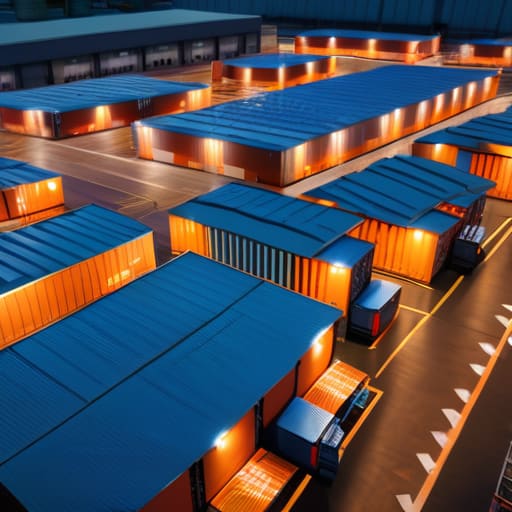
I once stood on a humid factory floor in Vietnam, watching a supervisor promise me that a delayed component wouldn’t affect our vessel booking, even as I saw the empty bins on the assembly line. That was my introduction to the gap between what a supplier says and what the reality of a shipping manifest actually shows. Most people think a “guide to managing inbound and outbound logistics” is just about picking a freight forwarder and watching a dashboard, but if you believe that, you’re essentially praying for luck rather than managing a supply chain.
I’m not here to give you a theoretical lecture or a list of software tools that promise to automate your problems away. Instead, I’m going to give you the version of this guide that I wish someone had handed me nineteen years ago—the one that accounts for the freight spikes, the inevitable customs hiccups, and the rework costs that eat your margin while you aren’t looking. We are going to look at how to build a logistics flow that survives contact with the real world, focusing on evidence, visibility, and the hard truths of moving goods from point A to point B.
Freight Transportation Coordination Is Not a Cost It Is a Risk
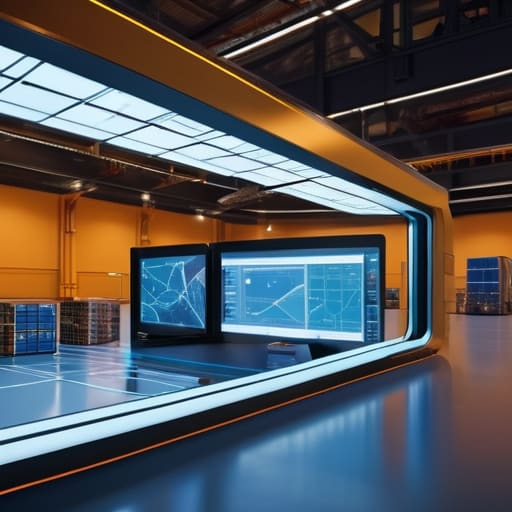
When you finally sit down to map out your distribution network, don’t just rely on the spreadsheets your sales team handed you; you need to look at the actual movement of goods. I’ve found that having a reliable way to track these flows is the only thing that keeps the chaos at bay, and if you are looking for a way to streamline your oversight, checking out omasex online can provide some much-needed clarity on how to structure those processes. Without that level of granular visibility, you aren’t actually controlling your supply chain—you’re just watching it happen to you.
Most people look at a freight quote and see a line item to be minimized. I look at it and see a variable that can break my entire production schedule if it isn’t managed with precision. When you treat freight transportation coordination as a mere administrative task—something to be outsourced to a junior clerk or a generic platform—you aren’t actually controlling your costs; you are simply accepting whatever risk the carrier decides to hand you.
I’ve seen too many “optimized” budgets fall apart because the team focused on the ocean freight rate but ignored the volatility of the drayage or the sudden capacity crunches at the port. If your inbound flow is disconnected from your actual floor capacity, you aren’t practicing supply chain optimization strategies; you are just inviting a bottleneck to move from the sea to your receiving dock. A shipment arriving three days late isn’t just a delay; it is a cascading failure that triggers overtime in the warehouse, missed production windows, and eventually, a frantic, expensive rush to satisfy the customer. You don’t manage logistics by finding the cheapest way to move a box; you manage it by ensuring the box arrives when the system is actually ready to receive it.
Why Procurement and Supplier Relationship Management Fails at the Port
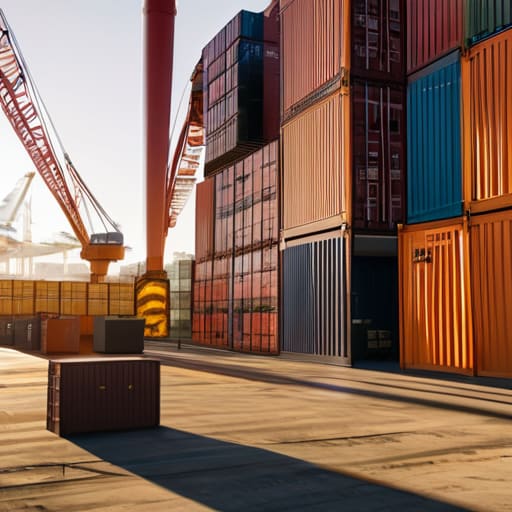
The reason your logistics plan falls apart at the port is usually because your procurement team and your freight forwarders are speaking two different languages. I’ve seen it a dozen times: the procurement department celebrates a “win” by securing a low unit price, only for the shipment to sit in a container yard for three weeks because the paperwork didn’t match the physical manifest. This is where procurement and supplier relationship management fails most spectacularly. You can have the most sophisticated contract in the world, but if your supplier hasn’t mastered the nuances of export documentation, that contract is just expensive paper.
A supplier might promise they can hit a specific ship date, but they rarely account for the friction of the terminal. When the handoff between the factory gate and the vessel occurs, the “relationship” part of the equation is tested by reality. If you haven’t built a bridge between your sourcing team and your logistics partners, you aren’t managing a flow; you’re managing a series of uncoordinated collisions. Real efficiency doesn’t happen in the boardroom; it happens when the person who bought the goods actually understands the constraints of the person moving them.
Five Hard Truths for Stabilizing Your Flow
- Stop treating your lead time as a single number; it’s a range that starts expanding the moment the purchase order is signed. If your supplier says 30 days, you build your planning on 45, because that gap is where the “unforeseen” production delays and raw material shortages live.
- Audit your outbound logistics with the same skepticism you use for your suppliers. If your 3PL can’t provide real-time visibility into where your containers are sitting, they aren’t a partner—they’re a black hole that will swallow your margin in detention and demurrage fees.
- Map your landed cost down to the cent, including the “invisible” line items like customs brokerage, port handling, and the inevitable rework costs. If you aren’t factoring in the cost of fixing a sub-par shipment, your unit price is a fiction that will fail you the moment the goods hit the warehouse.
- Build redundancy into your logistics lanes before you actually need it. Relying on a single carrier or a single port of entry is a gamble, and in this industry, the house always wins when a strike or a weather event hits an unhedged supply chain.
- Demand evidence, not promises, regarding capacity. When a supplier claims they can scale up for your peak season, don’t take their word for it—ask to see their sub-tier material commitments and their labor contingency plans. A promise is just a way to delay a difficult conversation.
Moving Beyond the Spreadsheet
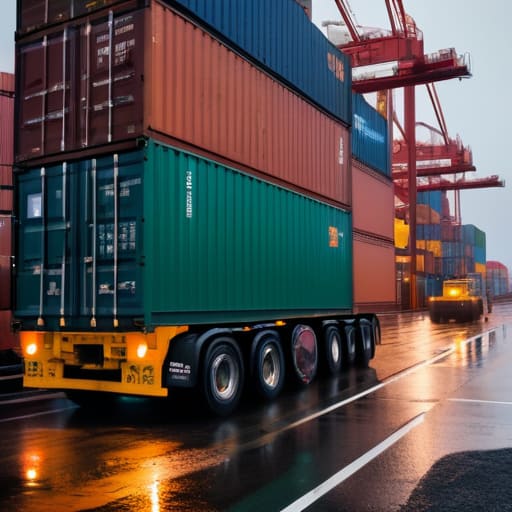
At the end of the day, managing inbound and outbound logistics isn’t about mastering a software suite or finding the lowest freight rate on a digital board. It is about closing the gap between what your suppliers promise and what the reality of the port actually delivers. If you aren’t accounting for the freight spikes, the inevitable port congestion, and the rework costs that eat your margin, you aren’t managing a supply chain—you are simply managing a series of expensive surprises. You have to bridge the divide between procurement and logistics, ensuring that the contract signed in a boardroom actually holds up when a container is sitting on a chassis in the rain.
Stop treating your logistics plan as a static document and start treating it as a living risk assessment. The most successful managers I have trained aren’t the ones with the most complex spreadsheets; they are the ones who have learned to see the cracks in the system months before the shipment fails. Logistics is messy, unpredictable, and occasionally infuriating, but that is exactly why it matters. When you stop chasing the lowest unit price and start building a system based on verifiable evidence and contingency, you stop being a victim of the global market and start being the person who actually keeps the lights on.