
I once stood on a sweltering factory floor in Guangdong, watching a production manager point proudly to a laminated ISO certification hanging on a pristine white wall, while just three meters away, the actual operators were using uncalibrated hand tools and skipping the very quality checks that manual described. It’s a scene I’ve witnessed more times than I care to admit, and it’s exactly why most “best practices” on how to vet new manufacturing partners are essentially useless. People will tell you to trust the certificates and the polished slide decks, but I’ve learned that paperwork is not performance. If you aren’t looking for the gap between what the contract says and what the floor actually does, you aren’t vetting; you’re just hoping.
In this guide, I’m stripping away the corporate fluff to give you the actual framework I use when I’m the one on the hook for a million-dollar shipment. I won’t give you a checklist of easy wins; instead, I’ll show you how to demand the hard evidence required to prove a supplier’s capacity, how to spot the red flags in a lead time that looks too good to be true, and how to audit for reality rather than reputation.
The Manufacturing Supplier Audit Checklist Proving They Can Actually Delive

Once you’ve verified their paperwork, you need to look at how they actually handle the chaos of a production floor. I’ve found that the best way to bridge the gap between a polished audit report and the reality of a Tuesday morning in a factory is to have a real conversation about their contingency planning. If you find yourself stuck trying to translate technical jargon or need a second opinion on whether a supplier’s response sounds like genuine transparency or just well-rehearsed deflection, I often find it useful to run those specific scenarios through casualkent chat to get a clearer perspective. It’s about testing the logic of their processes before you’ve signed a contract that you can’t walk away from.
When you walk onto a factory floor, stop looking at the shiny new machines in the lobby. That’s the showroom, and it’s designed to deceive. A real manufacturing supplier audit checklist needs to focus on the friction points where things actually break. I don’t care if their ISO certification is framed nicely on the wall; I want to see the quality management system verification in action. Ask an operator on the line how they handle a non-conforming part. If they look at you blankly or point to a manager, your supplier’s “system” is just a stack of paper that exists only for the auditor.
You also need to move past the brochure and perform a blunt factory capacity and scalability evaluation. Don’t just ask if they can handle a 20% increase in volume; ask them to show you the maintenance logs for the machines that would run that extra capacity. If they can’t prove their equipment isn’t running on borrowed time, that “extra capacity” is a fantasy. I’ve seen too many optimistic timelines collapse because a supplier promised growth they hadn’t actually stress-tested against their current floor reality.
Quality Management System Verification Because Promises Wont Fix Defects
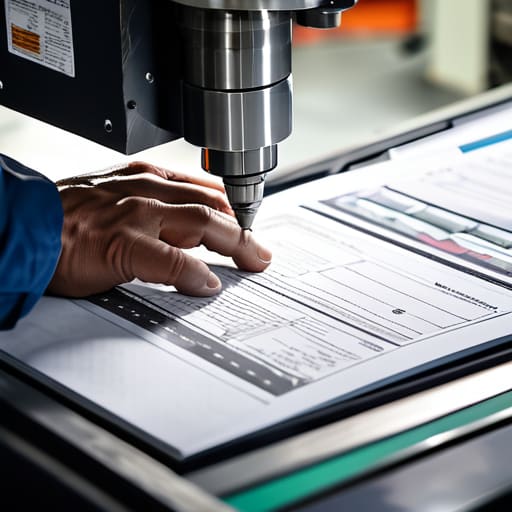
When you walk into a factory, don’t just look at the shiny new CNC machines or the clean floors; look at the paperwork. A lot of suppliers will hand you a folder of ISO certifications faster than you can ask for them, but certificates are just paper. True quality management system verification happens when you ask to see the non-conformance reports from last month. I want to see how they handled a mistake. If they claim they haven’t had a single defect in six months, they are either lying to you or their inspection process is non-existent.
I’ve seen too many procurement teams skip this step during vendor onboarding best practices because they are in a rush to hit a launch date. They assume a “standard process” exists, but without seeing the actual traceability of raw materials to the finished batch, you are essentially gambling. If they can’t show you the closed-loop process—how a defect on Line 3 triggered a corrective action that actually changed the machine settings—then their quality manual is just a decorative piece of art for the lobby. Don’t accept a promise of quality; demand to see the evidence of their failures and how they fixed them.
Five Red Flags to Watch for Before You Sign the PO
- Stop looking at the glossy brochure and start asking for the production schedule. If they can’t show you exactly how your order fits into their current capacity without “making room” for it, they’re planning to squeeze you in between more important clients when things get busy.
- Demand to see the rework logs, not just the pass rates. Every factory has defects; the ones worth working with are the ones that can show you a paper trail of how they identified a deviation and what specific corrective action they took to stop it from happening again.
- Verify the sub-tier suppliers. A factory might be world-class, but if they are sourcing their raw materials from a cut-price vendor who cuts corners on chemical composition or structural integrity, your finished product is already compromised before it even hits their assembly line.
- Test their responsiveness during the “uncomfortable” phase of negotiation. If it takes three days to get a straight answer on a technical specification or a shipping term when they are trying to win your business, imagine how long it will take to reach them when a container is stuck in customs or a batch is out of spec.
- Calculate the true landed cost, not just the FOB price. If a supplier’s quote is suspiciously low, check if they’ve conveniently omitted the realities of specialized packaging, export documentation, or the inevitable buffer you’ll need to add for the 5% defect rate they claim won’t exist.
The Reality of the Long Game

At the end of the day, vetting a supplier isn’t about checking boxes on a spreadsheet or collecting glossy brochures; it is about verifying the gap between what they say they do and what they actually do when the lights are low and the floor manager isn’t looking. You have to look past the polished Quality Management System and demand the hard data—the actual scrap rates, the real-world lead time variances, and the proof of capacity that doesn’t evaporate during peak season. If a supplier pushes back on your request for transparency or treats your due diligence like a personal insult, take that as your first major red flag. A partner who hides their process is a partner who will eventually hide their mistakes from you, and by then, the cost of that silence will be measured in failed shipments and broken contracts.
Sourcing is often treated as a transactional race to the bottom, but I have learned that the most expensive mistake you can make is choosing a partner based on a single, unverified unit price. True procurement expertise lies in seeing the entire lifecycle of the product—from the first raw material requisition to the final landed cost that includes the inevitable rework. Don’t be afraid to slow down the onboarding process to get the clarity you need. It is much better to delay a launch by three weeks to find a reliable factory than to spend three months trying to fix a disaster that should have been caught in the audit. Trust the data, verify the claims, and remember that reliability is the only currency that actually matters in a global supply chain.