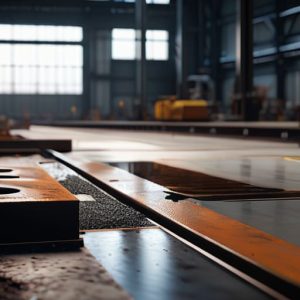
I once spent three days in a humid industrial park outside Shenzhen, following a factory manager who had prepared a “tour” that looked like a choreographed stage play. The machines were running, the floor was spotless, and the workers were smiling—until I stepped into the back corner where the real production happened. I saw the mismatched components, the overflowing scrap bins, and the way the operators’ eyes darted to the supervisor every time I lingered near a machine. Most people think a factory visit is a checklist of polished facilities, but if you want to learn how to visit a factory usefully, you have to stop looking at what they want you to see and start looking at what they are trying to hide.
I am not here to give you a sanitized guide on how to shake hands and exchange business cards. Instead, I am going to show you how to read the unspoken signals of a production line. We will discuss how to spot the difference between a factory that is scaling and one that is simply masking chaos, and why your most important data points aren’t in the glossy company profile, but in the piles of rework sitting by the loading dock.
Table of Contents
Beyond the Polished Lobby a Manufacturing Process Audit
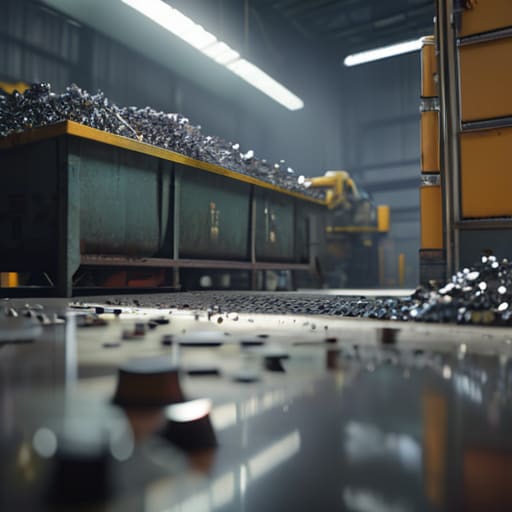
When you step off that elevator, the first thing you’ll notice is how quiet and clean everything looks. Don’t let that lull you into a false sense of security. A polished lobby is easy; maintaining a consistent manufacturing process audit through a three-shift rotation is what actually matters. I’ve spent enough time on factory floors to know that the “perfect” setup is often just a stage set for visitors. Instead of following the manager’s curated path, I look for the friction points. I want to see the bins of rejected parts and the way the operators handle a machine malfunction. If they hide the scrap, they’re hiding your future defect rate.
True supply chain transparency isn’t found in a glossy company brochure; it’s found in the gap between the written SOP and the actual movement on the line. Watch the hands, not the manuals. Are the workers skipping a calibration step to hit a daily quota? Is the raw material being stored in a way that prevents contamination? When you use production line observation techniques that focus on these small, unscripted moments, you stop being a tourist and start being an auditor. That is how you catch a failure before it becomes a line item in your rework budget.
Production Line Observation Techniques That Expose Hidden Risks
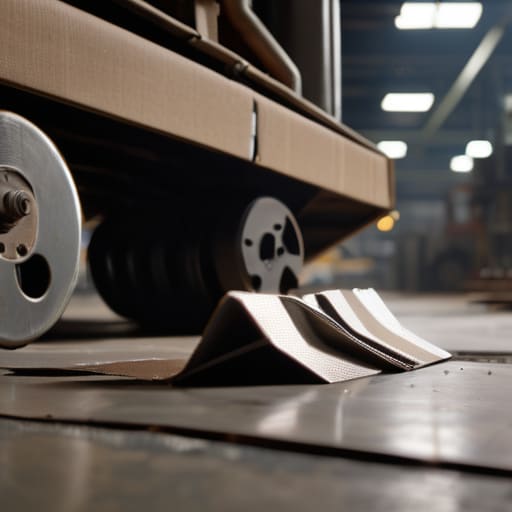
When you step onto the floor, ignore the supervisor’s guided tour. They will naturally lead you toward the most organized station, the one with the brightest lights and the cleanest workstations. Instead, practice some intentional wandering. I’ve learned that the most telling production line observation techniques involve looking for the “workarounds.” Look for the bins of “slightly off-spec” parts tucked under a bench or the way an operator uses a piece of cardboard to shim a machine that isn’t sitting level. These aren’t just minor inconveniences; they are the early warning signs of a breakdown in discipline that will inevitably manifest as a massive non-conformance report three weeks later.
Watch the rhythm of the line, too. If the pace feels frantic or, conversely, if you see large gaps where workers are standing idle waiting for components, you aren’t looking at a stable operation. A truly efficient line has a predictable, steady hum. If the workers look like they are constantly firefighting, your supply chain transparency is an illusion. They aren’t manufacturing; they are just surviving the shift, and you don’t want your production schedule tied to a factory in survival mode.
The Five Things Your Factory Tour Guide Won't Volunteer
- Follow the scrap. If the production floor looks suspiciously clean, you aren’t seeing the reality of their yield. I don’t care how shiny the machines are; I want to see the scrap bins. The volume, the type, and how they categorize those rejects tells you more about their true capability than any ISO certification hanging in the lobby.
- Check the “Ghost” inventory. When you walk into the warehouse, look past the neat pallets of finished goods. Look for the half-finished components or the piles of raw material that look like they’ve been sitting there since last quarter. If they can’t manage their own sub-component flow, they certainly won’t manage your production schedule.
- Audit the training, not the manuals. A quality manual on a wall is just paper. Instead, ask an operator—not the supervisor—to show you how they handle a non-conforming part. If they hesitate or look toward the manager for the “correct” answer, you’ve found a culture of compliance rather than a culture of quality.
- Verify the tooling and maintenance logs. Ask to see the maintenance schedule for the specific machine that will be running your order. If they can’t produce a log showing when that machine was last serviced, or if they tell you “we do it as needed,” you are effectively subsidizing their downtime risk.
- Test the communication lag. During your visit, ask a technical question about a specific tolerance or a material spec and tell them you’ll follow up via email in an hour. If the answer you get in your inbox is a vague “yes, no problem” without the technical data to back it up, you aren’t dealing with an engineering-led factory; you’re dealing with a sales-led one.
The Audit Checklist: What to Look for When the Tour Ends
Stop looking at the machines and start looking at the scrap bins; the ratio of waste to finished goods tells you more about their process stability than any shiny ISO certificate ever will.
Watch the handover between shifts, not the peak production hour, because that’s when the communication breaks down, the quality manual gets ignored, and your lead time starts to slip.
Never accept “we’ll catch up on the delay” as an answer; demand to see the specific capacity buffer or the secondary line they intend to use, otherwise, you’re just budgeting for a late shipment.
The Audit Doesn't End at the Factory Gate
At the end of the day, a useful factory visit isn’t about checking boxes on a pre-printed PDF; it’s about connecting the dots between what the sales manager promised in the boardroom and what the floor supervisor is actually managing in the heat of production. You’ve looked past the shiny lobby, you’ve scrutinized the scrap bins, and you’ve watched how the workers handle a machine failure. If you leave the facility feeling like everything is perfectly seamless, you probably haven’t been looking closely enough. Real manufacturing is messy, and your job is to ensure that the mess is controlled and visible, rather than hidden behind a curtain of optimistic reporting and unverified quality manuals.
Remember, you aren’t there to be a tourist or even a polite guest; you are there to build a foundation of evidence. Every red flag you identify now is a line item you won’t have to pay for later in the form of air freight, chargebacks, or emergency rework. Sourcing is a game of managing variables, and the most valuable variable you can control is the truth of your supply chain. Don’t settle for a supplier who offers you a smooth ride based on a brochure; find the one who shows you their problems and proves they have the systems to solve them. That is how you stop buying promises and start buying reliability.