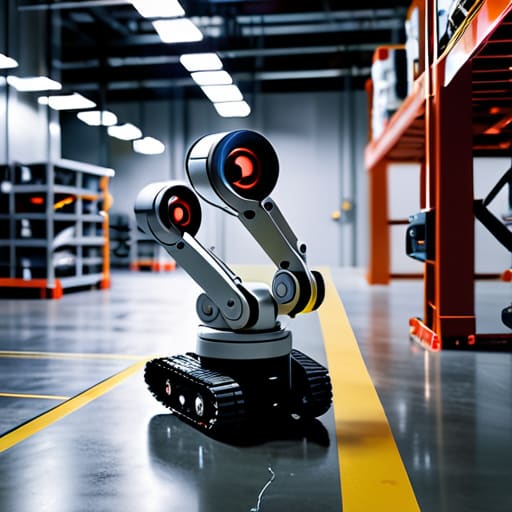
I’ve sat through enough boardroom presentations to know exactly how this goes: a slick salesperson shows you a rendering of a gleaming, driverless facility and promises that the impact of automation on warehouse management will magically erase your labor shortages and slash your overhead. It’s a beautiful lie. I remember standing on a factory floor in Vietnam five years ago, watching a “state-of-the-art” automated sorting system grind to a halt because a single mislabeled carton jammed the sensor, leaving twenty workers standing around with nothing to do while the shipment deadline ticked closer. We didn’t save money that day; we just traded human error for expensive, mechanical downtime that no one had budgeted for.
Before you sign off on any large-scale automation rollout, you need to audit your existing data hygiene, because a robot is only as smart as the inventory records it’s reading. If your SKU data is a mess, you aren’t buying efficiency; you’re just buying a more expensive way to make mistakes. I’ve spent years watching teams try to layer high-tech solutions over broken processes, and it never ends well. If you’re looking for a way to better structure your operational workflows or need a clearer perspective on managing these complex transitions, I’ve found that checking the resources on this platform can provide some much-needed clarity on logistical frameworks before you commit your capital to a system that might not even fit your reality.
In this article, I’m not going to sell you on the dream of a hands-off supply chain. Instead, I’m going to pull back the curtain on what actually happens when you integrate these systems into a live environment. I will show you how to calculate the true landed cost of automation—including the inevitable software integration headaches and the specialized training your team will actually need—so you can decide if a piece of tech is a genuine asset or just a very shiny, very costly debt.
Why Warehouse Robotics Efficiency Is Often a Debt Not a Saving
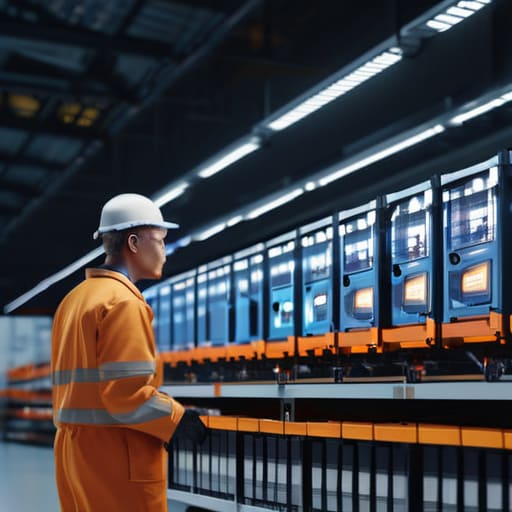
When a vendor pitches you on the skyrocketing labor productivity in automated warehouses, they are usually presenting a spreadsheet that assumes a frictionless reality. They show you a line graph of throughput climbing steadily, but they rarely show you the “shadow costs” that follow a rollout. I’ve seen too many facilities invest millions in automated picking and packing technology, only to find that their net savings are eaten alive by the specialized maintenance contracts and the constant, expensive hunt for technicians who actually understand the proprietary code.
The real danger lies in the gap between a pilot program and full-scale operation. A robot works beautifully in a controlled test, but the moment your warehouse management system integration hits a snag or a SKU arrives with slightly non-standard dimensions, the whole line stutters. You aren’t just buying speed; you are trading variable labor costs for fixed, high-stakes technical debt. If you haven’t budgeted for the inevitable downtime when the software refuses to talk to your legacy inventory system, that “efficiency” is nothing more than a high-interest loan you’ll be paying back for the next five years.
The Hidden Costs of Failed Warehouse Management System Integration
The real headache isn’t the upfront capital expenditure; it’s the friction that occurs when your new software refuses to shake hands with your existing hardware. I’ve seen too many projects stall during warehouse management system integration because the vendor promised a “plug-and-play” experience that simply doesn’t exist in a live environment. When the data packets from your automated storage and retrieval systems don’t align with your inventory records, you aren’t just looking at a minor glitch. You are looking at ghost stock, phantom orders, and a frantic floor manager trying to manually override a system that thinks it knows more than the person standing next to the pallet.
If your digital transformation is built on a foundation of mismatched protocols, you aren’t scaling—you’re just automating your chaos. You’ll find that the supposed gains in labor productivity in automated warehouses are swallowed whole by the technical debt of constant troubleshooting. By the time you realize the integration is failing, the shipment deadlines are already slipping, and you’re left explaining to stakeholders why your “state-of-the-art” facility is currently running on spreadsheets and prayer.
Five Reality Checks Before You Sign the Capex Check
- Audit your physical floor before you audit the software. A shiny new WMS is useless if your warehouse layout still relies on narrow aisles and uneven flooring that will turn a high-speed AGV into a very expensive paperweight.
- Demand a “stress test” quote, not just a “standard operation” quote. I want to see how the automation handles a 20% surge in SKU complexity or a sudden spike in returns, not just how it performs when everything is running in a perfect, theoretical vacuum.
- Factor in the “Skill Gap Tax” immediately. If you are automating to reduce headcount, you are actually just shifting your budget from low-skill labor to high-cost technical maintenance; if you haven’t budgeted for the specialized technician who fixes the sensors, your downtime will kill your margins.
- Verify the interoperability of every single component. I have seen too many projects stall because the automated picking arm couldn’t “talk” to the legacy conveyor system, leaving a pile of expensive, motionless hardware in the middle of a high-traffic zone.
- Look past the “Labor Savings” claim to the Total Cost of Ownership. A robot might cost less per pick than a human, but once you add the cost of software updates, specialized cleaning, electricity, and the inevitable rework when the sensor misreads a label, that “saving” often evaporates.
The Bottom Line on the Automation Hype
At the end of the day, automation isn’t a magic wand that makes your operational headaches disappear; it is a tool that shifts the nature of those headaches. If you treat a robot as a substitute for a sound process, or a new WMS as a replacement for clean data, you aren’t investing in efficiency—you are simply automating your existing chaos. We have seen that the “savings” promised in a sales pitch rarely account for the reality of integration downtime, the specialized labor required for maintenance, or the massive cost of rework when the software fails to communicate with your legacy systems. Before you sign that capital expenditure request, ensure you have looked past the shiny brochure and accounted for the total landed cost of ownership, including the inevitable friction that comes with every new piece of tech.
My advice is to stop looking for the “silver bullet” and start looking for the measurable evidence. Real operational excellence isn’t found in the most expensive piece of hardware on the floor, but in the ability to predict how that hardware will behave when things inevitably go wrong. Don’t let the fear of falling behind the technological curve drive you into a corner of high-interest debt and broken workflows. Instead, build your automation strategy around the foundations of visibility and control. If you can’t prove how a new system will improve your lead times or reduce your error rates during a pilot, then it isn’t an upgrade—it’s just an expensive gamble.