
I once stood on a factory floor in Ningbo, watching a production manager confidently explain why a pitted injection mould was “within tolerance,” all while the scrap rate for our high-precision components climbed toward 15%. He was treating a five-figure asset like a disposable piece of scrap metal, and I knew right then that his “maintenance plan” was nothing more than a prayer and a can of WD-40. Most people approach the question of how to protect tooling and moulds by looking for the most expensive service contract or a shiny new software suite, but that is a fundamental misunderstanding of the physics involved. You don’t protect an asset with a line item in a budget; you protect it through disciplined, repeatable oversight that actually happens on the shop floor, not just in a spreadsheet.
In this post, I’m stripping away the vendor sales pitches to give you the reality of what actually works. I am going to show you how to audit a maintenance log to see if it’s being faked, why your “preventative” schedule is likely missing the critical wear points, and the specific signs of degradation that will cost you three times the tool’s value if you ignore them. This isn’t about theory; it’s about preventing the production stoppage that ruins your quarterly margins.
Table of Contents
Why Tooling Ownership Legal Agreements Are Your Only Real Insurance

I’ve seen it happen too many times: a supplier suddenly decides that your custom injection moulds are now “company property” because of a vague clause in a purchase order, or worse, they hold them hostage during a price renegotiation. If you don’t have explicit tooling ownership legal agreements in place before the first shot is even fired, you don’t actually own your product—you’re just renting the right to manufacture it. A handshake or a standard terms-and-conditions document is not a strategy; it is a vulnerability.
You need to move beyond simple procurement and implement actual mould asset management strategies that define exactly who holds the rights to the physical steel and the digital CAD files. Your contract must include ironclad contractual clauses for tool possession that allow you to physically remove your assets from a facility with twenty-four hours’ notice. If your supplier can claim “intellectual property” over a mould you paid to design and build, you haven’t just lost a tool; you’ve lost your ability to pivot when things go wrong.
The Transfer of Tooling Rights Moving Beyond Handshake Promises
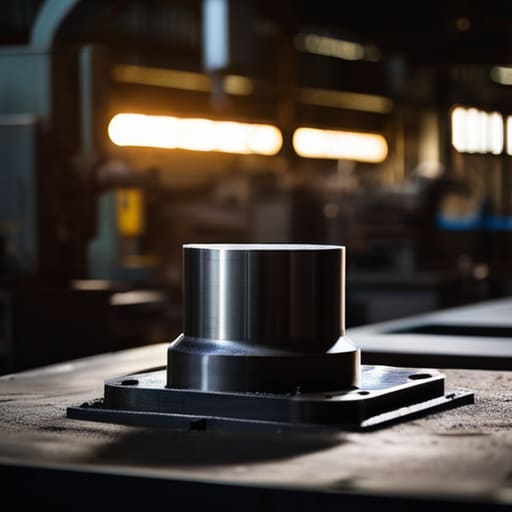
I’ve sat in enough factory offices in Shenzhen and Vietnam to know that a “handshake agreement” is just a polite way of saying you don’t own anything. When a supplier tells you the mould is yours because you paid for it, they are often omitting the fine print. Without explicit contractual clauses for tool possession, that steel belongs to the person holding the keys, not the person who signed the wire transfer. I have seen companies lose entire product lines overnight simply because a factory decided to hold their tooling hostage during a price renegotiation.
Moving from a verbal understanding to a formal transfer of tooling rights is where most procurement teams fail. You need more than just a line item in a Purchase Order; you need a framework that dictates how that asset is tracked, stored, and moved. If your agreement doesn’t specify that you have the right to physically reclaim your assets upon notice, you aren’t managing a supply chain—you’re managing a hopeful gamble. Real security comes from knowing exactly where your steel is, even when you aren’t in the room to see it.
Five Ways to Stop Treating Your Tooling Like a Gift to the Factory
- Demand a physical inspection log, not just a verbal “it’s fine.” If your supplier can’t produce a maintenance record showing when the last cleaning and lubrication happened, they aren’t maintaining your asset—they’re running it into the ground and expecting you to pay for the scrap later.
- Implement a “Golden Sample” protocol tied to specific tool life cycles. You need to know exactly what a part looks like when the mould is fresh, and more importantly, you need a documented threshold for when the tool’s degradation starts impacting quality, so you aren’t arguing about “acceptable tolerances” when the parts are clearly out of spec.
- Stop ignoring the “hidden” storage costs. If you aren’t paying a line item for the secure, climate-controlled storage of your moulds, they are likely sitting in a corner of a crowded factory floor being used as a makeshift workbench or getting bumped by a forklift. If it isn’t in the contract, it isn’t being protected.
- Build a “Tooling Passport” for every single mould. This should include the original technical drawings, the material specifications, the maintenance schedule, and the last known calibration date. If your supplier goes bust or you decide to move production next month, you shouldn’t be left holding a piece of metal that nobody knows how to run.
- Audit the actual usage, not just the output. I’ve seen suppliers claim a tool has only completed 50,000 cycles when the production numbers suggest it’s closer to 150,000. If the math on the parts produced doesn’t align with the reported tool wear, they are overworking your equipment to squeeze out extra margin, and your lead times will suffer when the tool inevitably snaps.
The Hard Truths: Three Things You Can’t Afford to Ignore
Ownership is a legal reality, not a feeling; if your contract doesn’t explicitly state that you own the physical mould and the intellectual property behind it, you don’t actually own your product—you’re just renting the right to make it.
Stop treating tooling as a sunk cost and start treating it as a high-maintenance asset; if you aren’t budgeting for regular inspections and preventative maintenance, you aren’t saving money, you’re just deferring a massive, unplanned production stoppage.
Never trust a “we’ll send it when you’re ready” promise; ensure your right to physical possession is documented and enforceable so that when a supplier relationship sours, you can claw your assets back before they become leverage in a dispute.
Protecting Your Assets Beyond the Paperwork
At the end of the day, protecting your tooling isn’t just about having a signed piece of paper in a digital folder; it’s about the rigorous, unglamorous work of verification. You have to secure the legal ownership, formalize the transfer of rights, and—most importantly—maintain a physical and digital audit trail that proves those moulds actually exist and are being maintained to specification. If you aren’t inspecting your tooling schedules and cross-referencing them with your production logs, you aren’t managing an asset—you are simply hoping for the best. And in my nineteen years of sourcing, I have learned that hope is never a viable procurement strategy. Real protection requires a combination of ironclad contracts and constant, skeptical oversight.
It is easy to view these steps as bureaucratic friction that slows down your speed-to-market, but I urge you to look at it differently. Every hour you spend tightening your tooling protocols is an hour you aren’t spending in a crisis meeting three months from now, trying to figure out why your production has stalled because a supplier decided your mould was “expendable.” Treat your tooling with the same respect you treat your capital. When you move from a culture of blind trust to a culture of verifiable evidence, you stop being a victim of the supply chain and start actually controlling it.